1
Literature
Pamphile’s activity placed in the 1st century CE
Pamphile of Epidaurus is broadly placed in the 1st century CE; 1 Jan 1 CE serves as an approximate chronological anchor for her activity.
View details1083 indexed achievements across recorded history.
Pamphile of Epidaurus is broadly placed in the 1st century CE; 1 Jan 1 CE serves as an approximate chronological anchor for her activity.
View details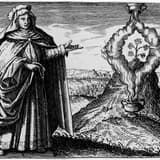
Later alchemical tradition recognized Mary the Jewess as a foundational, non-mythical alchemist and early female scientific author.
View details
Scribonia was alive in CE 14, accompanying Julia until her death.
View detailsScribonia was alive in CE 16, as historiographically recorded.
View details
Ban Zhao was born around 45 CE in Anling, Fufeng (modern Shaanxi province), into a distinguished family of scholars and historians.
View detailsNero’s accession on 1 Jan 54 CE marks the imperial context in which Pamphile of Epidaurus lived and wrote in mid–1st century Greece.
View details
Boudica's husband King Prasutagus died, prompting Rome to annex the Iceni kingdom, seize property, and flog Boudica and rape her daughters.
View details
Cleopatra VII was born in Alexandria, Egypt, in 69 BCE.
View detailsAfter her brother Ban Gu's death in 92 CE, Ban Zhao took over compiling and completing the monumental Han shu, becoming China's first known female historian.
View detailsAround 100 CE, Ban Zhao wrote Lessons for Women, the earliest known Chinese text authored by a woman scholar specifically for the education of women.
View details
Death of Sappho, marking the end of an era in Greek lyric poetry.
View details
Suiko’s enthronement in 592 made her Japan’s first historically attested reigning empress.
View detailsThe Seventeen-Article Constitution appeared in 604, an early foundational text of Japanese governance.
View detailsA court milestone in 604 credited with introducing the sexagenary cycle calendar in Japan.
View detailsThe 607 diplomatic mission to Sui China asserted Japan’s sovereignty and expanded court diplomacy.
View details
By 632 CE, Queen Seondeok’s accession was the second female sovereign recorded in East Asian history.
View detailsFrom 632 CE, Queen Seondeok became the first female sovereign in ancient Korea.
View detailsBy 632 CE, Queen Seondeok had ascended the throne of Silla, becoming its twenty-seventh ruler and the first reigning queen of Silla.
View details
Lady Godiva was born around the year 1000 in the Kingdom of England.
View detailsLady Godiva is believed to have died around 1067, shortly after the Norman Conquest.
View details
Hildegard was enclosed at the Benedictine monastery of Disibodenberg and took vows as a nun, beginning her formal monastic life.
View detailsHildegard was elected magistra, leader of the community of nuns at Disibodenberg, gaining recognized spiritual and administrative authority.
View detailsHildegard began composing Scivias after a profound vision, launching the first work of her major theological trilogy.
View detailsHildegard received papal permission and founded the Benedictine monastery of Rupertsberg near Bingen for her community of nuns.
View detailsHildegard and about twenty nuns moved from Disibodenberg to the newly founded monastery at Rupertsberg.
View detailsHildegard completed Scivias, including the musical drama Ordo Virtutum, considered the first known morality play.
View detailsHildegard began her second major theological work, Liber vitae meritorum (Book of Life's Merits).
View detailsHildegard began Liber divinorum operum (Book of Divine Works), the third and most comprehensive part of her visionary trilogy.
View detailsHildegard founded a second women's convent at Eibingen across the Rhine from Rupertsberg.
View details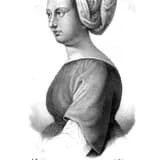
Gozzadini delivered a funeral oration for Bishop Enrico Fratta of Bologna.
View detailsBettisia Gozzadini was entrusted with the funeral oration for Pope Innocent IV.
View details
Khutulun was born around 1260, daughter of Kaidu Khan, a great-grandson of Genghis Khan who ruled the Chagatai/Ögedeid Khanate in Central Asia.
View details
By 1393, Christine's collection One Hundred Ballads had circulated at court, launching her career as a professional poet.
View details
Christine composed 'L'Épistre au Dieu d'amours' in 1399, considered one of the first explicitly feminist literary works in Europe.
View detailsAround 1399, Christine composed L'Épistre au Dieu d'amours, an early polemical defense of women in courtly love debates.
View detailsBy 1400, Christine de Pizan was a recognized professional author at the French court of Charles VI, with her manuscripts sought by nobility.
View detailsBy 1402, Christine had produced Dit de la Rose, a critique of the Roman de la Rose that made her a major voice in literary debate.
View detailsIn 1405, Christine wrote a companion conduct book advising women of all social ranks on virtue and practical life.
View detailsIn 1405, Christine completed 'Le livre de la cité des dames,' a landmark defense of women often cited as one of Europe's earliest histories of women.
View detailsBy 1405, Christine completed The Book of the City of Ladies, a landmark defense of women constructing an allegorical city of their achievements.
View detailsBy 1410, Christine had authored over a dozen books and personally directed the illumination and production of her manuscripts, unusual control for any author.
View detailsAround 1410, Christine completed an influential treatise on warfare and military tactics later translated across Europe.
View detailsBy 1413, Christine composed Livre de paix, advising French rulers on just governance amid political turmoil.
View detailsAround 1418, Christine withdrew from public court life to the Dominican convent at Poissy amid the turmoil of civil war and the Hundred Years' War.
View detailsIn 1429, Christine wrote the Ditié de Jehanne d'Arc, the only poem about Joan of Arc composed during Joan's own lifetime.
View detailsBy 1429, Christine had produced her last known composition, The Tale of Joan of Arc, before retiring from public literary life.
View detailsChristine de Pizan died around 1430 at the Dominican convent in Poissy, France; the exact day and month remain unrecorded.
View detailsBy about 1430, Christine de Pizan had died at the convent of Poissy, France; the exact month and day are not recorded.
View details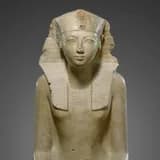
Around 1458 BCE, Hatshepsut’s successful two‑decade reign ended, after which later rulers partially erased her images and names from monuments.
View detailsAround 1468 BCE, in her ninth regnal year, Hatshepsut sent a major trading expedition to Punt, revitalizing long‑distance trade and documenting one of Egypt’s best-known voyages.
View detailsAround 1473 BCE, Hatshepsut assumed full pharaonic titles and regalia, ruling Egypt as king in her own right—a landmark first for a woman in the New Kingdom.
View detailsAround 1473 BCE, Hatshepsut began building her mortuary temple at Deir el‑Bahri, a masterpiece of New Kingdom architecture and a major statement of her kingship.
View detailsAround 1479 BCE, Hatshepsut began ruling Egypt as regent for the child-king Thutmose III, effectively taking control of the state during his minority.
View details
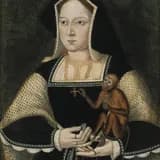
Catherine of Aragon serves as the first known female ambassador, representing the Aragonese crown at the English court.
View details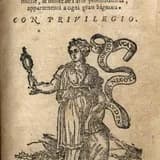
Cortese's vernacular handbook of alchemical, medical, cosmetic, and household 'secrets' first appeared in print in Venice in 1561.
View details
Caterina Vitale was born in Greece in 1566; the precise day and month are not recorded in surviving sources.
View detailsThe 1574 Venice edition by G. Bariletto of Cortese's Secreti is later described as the sole printed book by a female alchemist in that century.
View details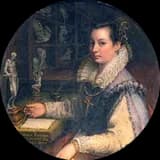
Around her marriage, Fontana arranged for her husband to manage household affairs so she could paint professionally — widely regarded as Italy's first professional female painter.
View detailsFontana completed the 'Assumption of the Virgin' altarpiece for Ponte Santo near Imola — cited as the first altarpiece commissioned from a woman artist.
View detailsBy the late 1580s Fontana operated her own workshop, taking commissions from Bolognese and Roman nobility and foreign dignitaries under standard commercial terms.
View detailsFontana became the first Bolognese woman painter to achieve fame across Italy specifically as a professional portraitist to nobility and scholars.
View detailsFontana became the first woman commissioned by Counter-Reformation Church patrons to produce large-scale public sacred altarpieces.
View detailsFontana painted mythological scenes with unclothed female figures, becoming the first known woman artist to depict female nudes, possibly using live models.
View details
Bourgeois passed the entrance examination and received certification from the Paris midwives' guild in 1598, formally qualifying her as a professional midwife.
View detailsA terracotta bust of Gozzadini was created as part of a series of portraits of notable Bolognese women.
View detailsThroughout the 1600s, Cortese's Secreti continued to be reprinted, spreading experimental know-how in medicine, cosmetics, and metallurgy.
View detailsFontana relocated to Rome under Cardinal Girolamo Bernerio's patronage, becoming Rome's first public woman painter executing monumental altarpieces.
View detailsFontana's reputation in Rome led to her appointment as an official portraitist at the Vatican Palace under Pope Paul V.
View detailsFontana became the first woman admitted to the Accademia di San Luca, Rome's prestigious painters' guild and academy.
View detailsIn 1609 Bourgeois published the first volume of Observations diverses in Paris, the first printed obstetrics/medical text authored by a woman in France.
View detailsIn the preface to her 1609 book, Bourgeois declared herself the first practicing midwife to publish her own clinical observations.
View details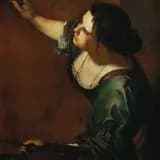
Artemisia completed 'Susanna and the Elders,' her first signed painting, marking her emergence as an artist.
View detailsFirst woman admitted to Accademia delle Arti del Disegno in Florence, breaking gender barriers.
View detailsBy 1617 Bourgeois had published an expanded two-volume edition of Observations diverses in Paris, developing the first known midwife-authored medical handbook.
View detailsCaterina Vitale died in Syracuse, Sicily in 1619; the exact day and month of her death are not documented in available sources.
View details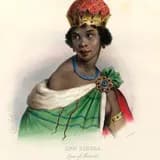
In early 1624, Nzinga became queen of Ndongo following her brother's death.
View detailsIn 1624, Nzinga was baptized Ana de Sousa, converting to Catholicism to aid diplomacy.
View detailsA third volume of Bourgeois's obstetric writings appeared in 1626, completing a widely circulated three-volume work translated into Dutch, German, and English.
View detailsAround 1631, Nzinga took control of Matamba, establishing her main power base.
View detailsIn 1635 Bourgeois published Recueil des secrets in Paris, a further collection of medical and obstetric knowledge supplementing her Observations.
View detailsBetween 1642 and 1644 a posthumous edition of Bourgeois's Observations diuerses was printed in Paris by Melchior Mondiere, attesting to its lasting influence.
View details
The first recorded case of lesbian activity in North America amongst English colonists.
View detailsMary was cleared with admonition, marking a key legal outcome in the lesbian-misdemeanor case.
View detailsReinforcement of the case marking an early lesbian history record in America.
View details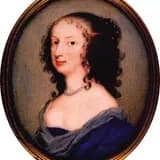
Publication of her first book, *Poems, and Fancies*, marking her debut as a printed author.
View detailsIn 1656, Nzinga renewed her Catholic faith and sought diplomatic peace with Portugal.
View details
Publication of *Philosophical and Physical Opinions*, introducing Cavendish's original natural philosophy.
View details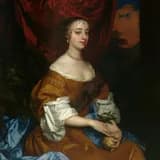
Hughes is documented by theatre historian John Downes as the first recorded representative of Desdemona in a King's Company cast list.
View detailsPublication of *Philosophical Letters*, furthering her metaphysical theories.
View detailsAn octavo edition of Cortese's Secreti was printed in Venice by Carlo Conzatti in 1665, over a century after the original publication.
View detailsPublication of pioneering works, marking a contribution to science fiction.
View details
Marie Meurdrac published *La Chymie Charitable et Facile, en Faveur des Dames*, the first chemistry book by a woman.
View details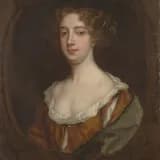
In 1671, Behn published her debut play in print with the epigraph 'Va mon enfant! Prend ta fortune,' cementing her entry into the literary marketplace.
View details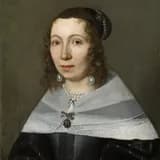
*Neues Blumenbuch*, her first published work, establishes Merian as a professional artist.
View detailsMerian publishes her first caterpillar book, advancing insect metamorphosis understanding.
View detailsDumée recognized as an astronomer advocating Copernican astronomy.
View detailsJeanne Dumée wrote 'Entretiens sur l’opinion de Copernic touchant la mobilité de la terre.'
View details
In 1686, Brongersma published her poetry collection, one of the earliest by a Dutch woman.
View details
Publication of the Hevelius star catalog with 1,564 stars, a landmark in pre-telescopic astronomy.
View detailsBehn published Oroonoko in 1688, a pioneering prose narrative widely regarded as one of the first abolitionist novels and a cornerstone of the English novel.
View detailsShe edited and published the posthumous Hevelius works, preserving a major star catalog and atlas.
View details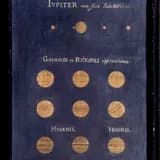
Maria Clara Eimmart began systematic lunar-phase drawings by 1693, laying foundations for selenography.
View details
Merian funded and organized her own expedition to Dutch Suriname with her daughter Dorothea, a rare independent scientific journey for a European woman.
View detailsMerian departs for Suriname with her daughter to study tropical insects.
View detailsBy 1700, Eimmart completed over 350 lunar-phase drawings, enriching early selenographic studies.
View detailsMerian issues folio plates for her study on Suriname's insects post-expedition.
View detailsPublication of her landmark book, demonstrating insect-plant interactions.
View details
Kirch published observations of the aurora borealis under her own name in 1707.
View details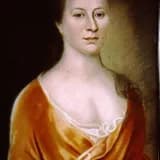
Henrietta Johnston began creating pastel portraits in Charles Town, South Carolina, becoming recognized as the first known professional female artist in America.
View detailsHenrietta Johnston immigrated to Charleston, South Carolina, following her husband's appointment as an Anglican commissary in the colony.
View details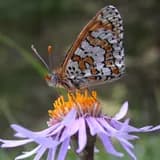
English entomologist Eleanor Glanville died at her home in Tickenham, Somerset, on 1 January 1709.
View detailsKirch published a pamphlet on the Sun’s conjunction with Saturn and Venus in 1709.
View detailsGottfried Kirch acknowledged that Maria had discovered the comet of 1702.
View detailsKirch published work on the conjunction of Jupiter and Saturn in 1712.
View details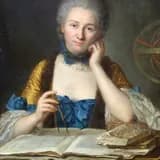
Paris Academy of Sciences publishes du Châtelet’s prize essay on fire with honorable mention, the first scientific paper by a woman in its publications.
View detailsPublication in Paris of her major treatise "Institutions de Physique" (Foundations of Physics), establishing her as a leading Enlightenment natural philosopher.
View detailsSecond edition of "Institutions de Physique" published, confirming the work’s impact and her authority in Newtonian and Leibnizian physics.
View details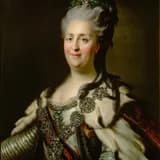
Sophie of Anhalt-Zerbst arrives in Russia in January 1744 to be considered by Empress Elizabeth as a bride for Grand Duke Peter.
View details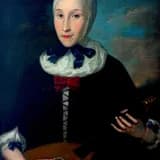
Benigna Zinzendorf married Moravian bishop Johannes von Watteville, joining her educational and missionary work to his leadership within the church.
View details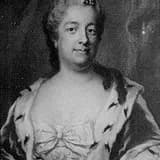
In 1746, Ekeblad reported experiments showing potatoes could be used to make alcohol and flour, easing pressure on grain supplies.
View details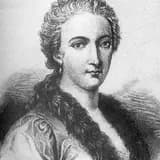
Agnesi published her comprehensive calculus textbook, one of the first of its kind, gaining international acclaim and papal recognition.
View detailsCompletes her annotated French translation of Newton’s Principia, the work that becomes the standard French edition of Newtonian mechanics.
View detailsIn 1749, the girls' school Benigna founded was permanently relocated to Bethlehem, Pennsylvania, laying groundwork for Moravian College and Academy.
View detailsPope Benedict XIV appointed Agnesi to the chair of mathematics and natural philosophy at the University of Bologna, making her among the first women in the world to hold such a position.
View detailsBy 1751 she was reclassified as an honorary, rather than full, member of the Royal Swedish Academy of Sciences.
View detailsIn 1751, she developed a method for bleaching cotton and yarn with soap, extending her applied chemical work to textiles.
View detailsIn 1752, she proposed potato flour as a safer substitute in cosmetics, replacing some toxic ingredients in contemporary powders.
View details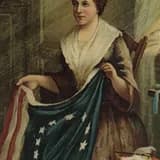
Elizabeth 'Betsy' Griscom was born in Philadelphia to a Quaker family, the eighth of seventeen children.
View details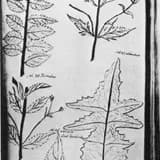
In 1753, Colden began compiling her Botanic Manuscript, Flora Nov-Eboracensis, documenting over 340 New York plants using Linnaean classification.
View details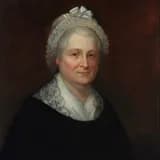
John Parke Custis was born around the start of 1754 and lived to adulthood.
View detailsIn 1756, a plant Colden had identified was formally published as Gardenia, linking her field observations to recognized scientific nomenclature.
View detailsMartha 'Patsy' Custis was born circa 1756 and suffered from epilepsy.
View detailsBy 1758, Colden completed her Botanic Manuscript, an extensive Linnaean flora of about 340–341 plants from New York’s lower Hudson Valley.
View details
In 1759, Lepaute helped predict the return of Halley’s Comet, a celebrated triumph of Newtonian astronomy.
View detailsFrom 1759, she worked on astronomical ephemerides, including the Academy’s <em>Connaissance des temps</em>, used by astronomers and navigators.
View detailsIn 1762, Lepaute calculated the exact time and extent of the solar eclipse that would occur in 1764.
View details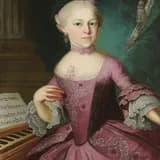
Nannerl, aged 11, and Wolfgang embarked on a multi-year European tour, performing before royalty and nobility as celebrated child prodigies.
View detailsShe supplied eclipse calculations for <em>Connaissance des Temps</em> in 1764, continuing her influential astronomical work.
View details
Mary Campbell’s captivity made her the first documented white child in the Western Reserve/Ohio territory.
View detailsBy early 1768, Martha Washington had moved to Mount Vernon permanently.
View details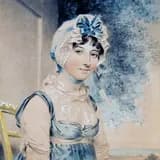
Maria Edgeworth was born on January 1, 1768, in Black Bourton, Oxfordshire.
View details
Approximate birth in 1769 in Renhe, Zhejiang, into a scholarly family that enabled her later scientific work.
View details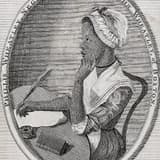
Publication of first book of poems: "Poems on Various Subjects, Religious and Moral."
View details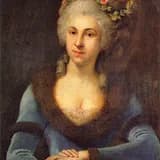
In 1773 Martines became the first woman elected an honorary member of Bologna's prestigious Accademia Filarmonica, a landmark recognition for a female composer.
View details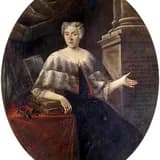
The Senate of Bologna appointed Bassi to the Chair of Experimental Physics at the Istituto delle Scienze, a world first for a woman.
View details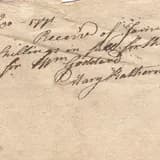
Goddard printed the first copy of the Declaration of Independence with the signers' names.
View detailsFirst printed broadside intended for preservation of the Declaration.
View details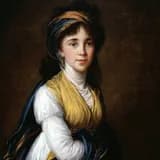
Vigée Le Brun completed her first major official oil portrait of Queen Marie Antoinette, 'Marie Antoinette in Court Dress,' securing her role as court favorite.
View details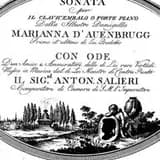
Joseph Haydn dedicated a set of six keyboard sonatas to Marianna Auenbrugger and her sister Katharina, published by Artaria in Vienna in 1781.
View details
Adams published 'An Alphabetical Compendium of the Various Sects,' an early encyclopedic survey of world religions.
View details
Sybil Ludington married farmer Edward Ogden in 1784 and later had six children; the exact wedding date is undocumented, but the union defined her post‑Revolution adult life.
View detailsIn 1785, Benigna von Watteville returned to visit Bethlehem, Pennsylvania, from her home in Germany, reconnecting with the community she had helped found.
View details
Thrale published 'Anecdotes of the Late Samuel Johnson' in 1786.
View details
By early 1787, young Jane Austen began composing her juvenilia—short plays, parodies, and stories—marking the start of her surviving literary output.
View details
King George III granted Herschel an annual £50 pension for her work as William Herschel's assistant, making her the world's first professional female astronomer.
View details
Joseph Johnson publishes Wollstonecraft’s first book, marking her debut as a feminist writer.
View details
Translated and refuted Kirwan's work, supporting new chemistry.
View detailsWollstonecraft’s only complete novel 'Mary: A Fiction' was published.
View detailsIllustrated seminal chemistry textbook, aiding scientific communication.
View details
In 1789, Louise du Pierry was appointed the first female professor at the Sorbonne, where she taught astronomy.
View detailsIn early 1790, Martha Washington inaugurated American political salon traditions.
View detailsMary Wollstonecraft published 'A Vindication of the Rights of Men,' entering the Revolution Controversy.
View detailsA landmark feminist work advocating for women's educational and social equality.
View detailsHighlighting revolutionary France, this work expanded Wolllstonecraft's political discourse.
View detailsWollstonecraft birthed her first child, Fanny Imlay, challenging societal norms.
View details
Birth of Sarah Mather in Brooklyn, New York, in 1796, later one of the earliest American women to patent a scientific instrument.
View detailsDuring 1798–1799 Austen drafted the novel first titled 'Susan,' a satire of Gothic fiction later published as 'Northanger Abbey.'
View detailsIn the late Qing era, Huang Lü built a telescope, a camera‑like optical device, and a thermometer, making her one of the earliest documented Chinese women experimenters in optics.
View detailsBy early 1800, Martha manumitted slaves earlier than required, honoring George Washington’s wishes.
View details
Jane Aitken assumes her late father Robert Aitken’s Philadelphia printing, binding, and bookselling business, including its debts.
View detailsIn 1803 Austen sold the manuscript of 'Susan' (early 'Northanger Abbey') to publisher Crosby & Co., but it was never printed.
View detailsPublished Mémoires de chimie, compiling Antoine Lavoisier’s work.
View detailsPublication year in which Jane Aitken printed Charles Thomson’s four‑volume English translation of the Septuagint Bible in Philadelphia.
View detailsBy printing Thomson’s Septuagint Bible in 1808, Jane Aitken became the first American woman to print a Bible and an English translation of the Christian Bible.
View detailsPublication year of the "Census directory for 1811" printed by Jane Aitken, the first published census to include African Americans.
View detailsAdams published a pioneering English-language history of Jewish people from the destruction of Jerusalem to her present day.
View details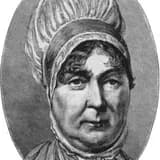
Fry began regular visits to female prisoners at Newgate, confronting horrific overcrowding and squalor, launching her prison-reform career.
View detailsBy 1813 Jane Aitken’s printing equipment was sold and she was imprisoned for debt; after release she continued as a bookbinder.
View details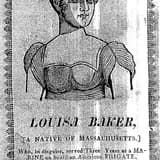
Boston publisher Nathaniel Coverly issued "The Female Marine; or the Adventures of Lucy Brewer," a fictional autobiographical pamphlet claiming service disguised as a man aboard USS Constitution.
View detailsThe definitive fourth edition of her religious reference work appeared as 'A Dictionary of All Religions and Religious Denominations.'
View detailsBetween January and March 1817, Austen wrote eleven and a half chapters of the unfinished novel 'Sanditon' before illness forced her to stop.
View details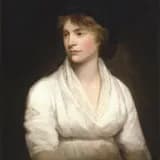
Mary Shelley’s novel Frankenstein is published, marking a genre-defining moment.
View detailsIn early 1818, the combined four-volume edition of 'Northanger Abbey' and 'Persuasion' was published posthumously, revealing Austen as author of all her novels.
View details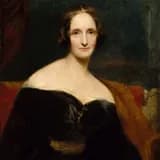
Mary Shelley's first publication of 'Frankenstein; or, The Modern Prometheus'.
View detailsPoet Chen Wenshu praises Huang Lü in his poem as "an extremely talented woman in every aspect of art and technology," documenting her contemporary reputation.
View details
Publication year of Hale’s first poetry collection, “The Genius of Oblivion, and Other Original Poems,” supported by her late husband’s Masonic lodge.
View details
Anning identified 'bezoar stones' as coprolites (fossilised faeces) in 1824.
View details
Catharine and Levi Coffin moved to Newport (now Fountain City), Indiana, opening a store and turning their home into a major Underground Railroad station.
View detailsPublication year of Hale’s antislavery domestic novel “Northwood; Life North and South,” first issued in Boston.
View details
In January 1827, Sojourner Truth escaped slavery, profoundly shaping her future advocacy.
View detailsIn 1828, Sojourner Truth became the first Black woman to successfully sue for her son’s freedom.
View detailsHale becomes editor of Boston’s Ladies’ Magazine, generally regarded as the first U.S. magazine edited by a woman.
View detailsApproximate death in 1829, ending the life of a rare Qing‑era Chinese woman known for scientific instrument‑making.
View detailsMary Shelley's revised edition of 'Frankenstein' is published, using her own name.
View details
Around 1832, Haviland began documented humanitarian and antislavery work that launched her reform career.
View detailsHer autobiographical memoir was published in 1832, preserving her own account of her life and career as a professional writer.
View details
Gray published his first scientific paper in 1833, launching the long scholarly career that would make him a foundational American botanist.
View details
Published 'On the Connexion of the Physical Sciences' in 1834, influencing physics' development.
View details
Hunt opened a medical consulting practice in Boston, becoming one of the first American women to practice medicine without a formal medical degree.
View details
By January 1, 1836, Swisshelm had begun her public reform writing and journalism career.
View detailsCo-founding of the Raisin Institute, Michigan’s first racially integrated school and first open to children of all races.
View detailsHale becomes editor of Godey’s Lady’s Book, which under her leadership becomes the leading U.S. women’s magazine.
View detailsBy January 1, 1838, Swisshelm had become publicly involved in antislavery advocacy and writing.
View details
Georgia Female College opened its doors in Macon, GA, beginning instruction as a pioneering women's higher education institution.
View detailsFry founded the Institute of Nursing Sisters in London in 1840, one of Britain's earliest formal nurse training schools.
View details
George Eliot's first known publication, the poem 'Knowing That Shortly I Must Put Off This Tabernacle,' appeared in the January 1840 Christian Observer.
View detailsGray became professor of natural history at Harvard in 1842, a post that let him build the university’s botanical collections and influence U.S. science.
View detailsIn 1843, Isabella Baumfree took the name Sojourner Truth, embarking on a path of advocacy.
View details
Bagley co-founded Lowell Union of Associationists, supporting reform initiatives.
View detailsBagley testified for a shorter workday, pivotal to the Ten Hours movement.
View details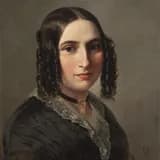
Fanny Mendelssohn published her song collection Sechs Lieder (Op. 1) under her own name in 1846, a landmark first after decades of composing largely in private.
View details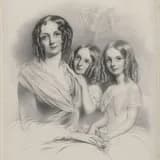
Anna Thynne built the first stable marine aquarium, maintaining corals for over three years.
View detailsAround 1846, Hale launches a sustained national campaign for a U.S. Thanksgiving holiday using editorials and letters.
View detailsBagley was a prominent delegate representing labor reformers at national conventions.
View detailsBagley led a significant antiwar petition to Congress, promoting peace.
View detailsBagley became editor of the influential labor newspaper, Voice of Industry.
View detailsShe added marine plants, creating the first balanced marine aquarium.
View detailsCatharine and Levi Coffin relocated to Cincinnati, Ohio, opening a Free Produce store and continuing extensive Underground Railroad and anti-slavery organizing.
View detailsHunt applied for admission to Harvard Medical School in 1847, becoming the first woman ever to apply to any school at Harvard University.
View details
Catherine becomes the first female teacher of the Basel Mission on the Gold Coast on January 1, 1848.
View detailsJane Swisshelm founded the antislavery, women’s rights newspaper Pittsburgh Saturday Visiter in 1848.
View detailsBy January 1, 1848, Catherine had established a girls' school in Christiansborg.
View detailsBy January 1, 1848, Swisshelm was publishing antislavery journalism in Pittsburgh, including in the Spirit of Liberty.
View detailsIn 1850, Sojourner Truth published her autobiography, amplifying her abolitionist message.
View details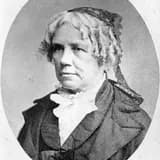
Maria Mitchell became the first female member of the American Association for the Advancement of Science in 1850.
View detailsBy January 1, 1850, Swisshelm was reporting on Congress for Horace Greeley’s New York Tribune.
View details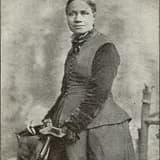
Harper became the first female teacher at Union Seminary in Columbus, Ohio, teaching sewing to students.
View details
On 1 Jan 1851, Charles Daremberg highlighted Metrodora’s gynecological treatise, placing it alongside Soranus and Moschion in ancient medical scholarship.
View details
Catherine L. Gibbon was born around this year in the United States.
View detailsHunt publicly protested paying property taxes while being denied the vote, becoming recognized as the first Massachusetts woman to make this protest.
View details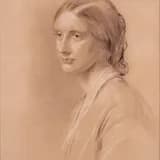
Josephine Grey married Anglican clergyman and academic George Butler, forming a partnership that would support her later reform work.
View detailsThe Female (Woman's) Medical College of Pennsylvania conferred an honorary M.D. on Hunt in recognition of her decades of medical practice.
View detailsHer work inspired the first public aquarium at London Zoo.
View detailsHarper published her acclaimed collection Poems on Miscellaneous Subjects, cementing her status as a leading African American poet.
View details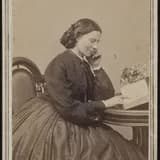
First woman appointed recording clerk at the U.S. Patent Office, a barrier-breaking federal post that helped open government work to women.
View details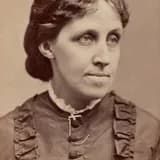
Alcott's first book "Flower Fables" was published in January 1854.
View detailsGray began corresponding with Charles Darwin in 1855, starting a major transatlantic scientific partnership that shaped the American reception of evolution.
View details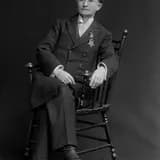
Walker graduated from Syracuse Medical College, becoming one of the first women in the U.S. to earn a medical degree.
View details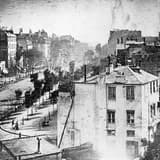
Around January 1855, McDowell launched the weekly journal Woman's Advocate in Philadelphia, devoted to the elevation of the female industrial class.
View details
A collection of Whitcher's humorous sketches, edited by Alice B. Neal, was published posthumously in 1855, becoming a landmark of early American comic literature.
View details
Emeline Roberts Jones begins dental practice, becoming the first woman in the U.S.
View detailsMary Ann Campbell married Rev. Jabez P. Campbell, linking her to Philadelphia’s influential AME ministerial and reform networks.
View detailsHunt published her autobiography detailing fifty years of social life and twenty years of medical practice, a key primary source on women's medical history.
View details
Marries Bostonian Thomas Pember in 1856, a cross-regional and interfaith union that later shapes her path toward Civil War hospital work.
View detailsHer first published fiction appeared in Blackwood's Magazine on New Year's Day 1857, launching her career as a novelist.
View detailsBy January 1, 1857, Swisshelm was a prominent voice for married women’s property rights in Pennsylvania.
View detailsThe three Blackwood's stories were collected and published in 1858 as Scenes of Clerical Life, establishing her pseudonymous identity in book form.
View details
Under the Medical Act 1858, Blackwell became the first woman entered on the General Medical Council's official medical register in Britain.
View detailsBlackwell's placement on the British medical register made her the first woman doctor officially recognized in Great Britain.
View detailsPublished scientific work on her coral research in an esteemed journal.
View detailsEmeline is recognized as a dental practice partner, reflecting her skill.
View detailsA short work of speculative/science fiction, The Lifted Veil, was published during Eliot's early novel-writing years in 1859.
View detailsHer first major novel, Adam Bede, was published in 1859, bringing her widespread recognition as a leading Victorian novelist.
View detailsHarper's short story 'The Two Offers' was published in the Anglo-African Magazine, widely recognized as the first published by a Black woman.
View detailsBy January 1, 1860, Swisshelm was an active journalist and reformer in the critical pre–Civil War years.
View detailsThe Mill on the Floss was published in three volumes in 1860, further consolidating Eliot's reputation for psychologically rich provincial realism.
View detailsSilas Marner: The Weaver of Raveloe, Eliot's third novel, was published in 1861, exploring moral psychology and rural life.
View detailsIn 1861, Swisshelm launched The Reconstructionist, extending her reform journalism to Washington, D.C.
View details
Ellen Wood published her best-known novel 'East Lynne' in 1861.
View detailsGray was elected a foreign corresponding member of the Imperial Academy of Sciences in St. Petersburg in 1862, reflecting international recognition.
View detailsBy January 1, 1863, Swisshelm was engaged in Civil War–era reform writing and public advocacy.
View detailsBy 1863 Gray was widely recognized as America’s leading botanist and a major early advocate for applying natural selection to plants.
View detailsRomola, a historical novel set in fifteenth-century Florence, was published in 1863, showing Eliot's range beyond English settings.
View detailsGray was elected to the National Academy of Sciences in 1863, confirming his status as one of the leading American scientists of his era.
View detailsEmeline pursues independent dental practice across states after Daniel's death.
View detailsIn 1864, Sojourner Truth met President Lincoln and advocated for freedpeople in Washington, D.C.
View details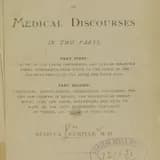
Rebecca Lee Crumpler became the first African American woman to earn an M.D. degree.
View detailsMaria Mitchell was appointed as Professor of Astronomy at Vassar College in 1865, becoming the first female astronomy professor in the U.S.
View details
Lucy Hobbs was invited to the Iowa State Dental Society's Fourth Annual Meeting, which amended its bylaws to admit her as the first woman member of any statewide dental body.
View detailsBy January 1, 1865, Swisshelm was documented as a Civil War nurse and antislavery advocate in Washington, D.C.
View detailsIn 1865, Truth advocated for land grants for freedpeople, highlighting her post-war activism.
View details
Emily Warren married engineer Washington Roebling in January 1865, then traveled with him through Europe studying suspension bridges and caisson technology.
View detailsFelix Holt, the Radical was published in 1866, engaging with questions of political reform and class in early-1830s England.
View detailsButler relocated to Liverpool when her husband became headmaster of Liverpool College, intensifying her direct work with poor and marginalized women.
View detailsBy January 1, 1868, Swisshelm remained a documented public advocate and writer in the Reconstruction era.
View details"Little Women" was published in January 1868, achieving critical and commercial success.
View detailsHunt hosted the founding meeting of the New England Woman's Club at her Boston home in 1868, helping launch one of the region's earliest women's clubs.
View detailsBy 1870, Truth was widely lecturing on abolition and women’s suffrage, broadening her impactful reach.
View detailsButler became the recognized leader of the Ladies National Association for Repeal of the Contagious Diseases Acts, the first major women-led political campaign in the UK.
View details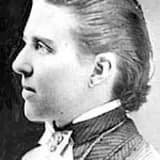
Mansfield chaired the Iowa Women's Suffrage Convention, becoming a leading voice in the state's suffrage movement.
View detailsGray taught the first Harvard Summer School course in 1871, marking an institutional first in the expansion of Harvard education.
View details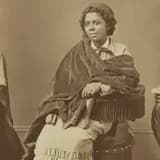
Lewis's sculpture Forever Free was publicly dedicated in Boston, likely the first sculpture by a Black artist celebrating the end of U.S. slavery.
View details
Pearl Hart was born in Canada in 1871. The precise birth date is uncertain.
View detailsMiddlemarch began publication in eight instalments in 1871, continuing into 1872, and is regarded as one of the greatest English novels.
View details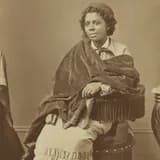
Dedication of Lewis's marble "Forever Free," celebrating emancipation.
View details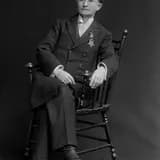
Published essays advocating for women’s suffrage.
View details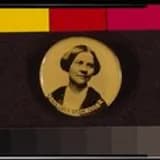
Lucy Stone becomes the first woman to address the U.S. House Judiciary Committee on women's suffrage.
View details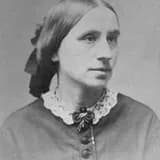
In 1872, the New England Hospital opened the first professional nursing school in the United States, extending Zakrzewska’s influence beyond hospital founding into nurse training.
View details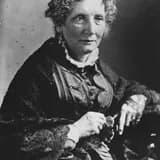
Stowe helped found the Hartford Art School, supporting women’s art education and cultural institution-building.
View detailsGray became a foreign member of the Royal Society in 1873, one of the highest international honors in science.
View detailsBy 1873, Linda Richards is identified as the first professionally trained female nurse associated with Zakrzewska’s hospital, reflecting the rise of modern nursing education.
View details
Jex-Blake co-founded the London School of Medicine for Women in 1874, the first British school to train women as doctors.
View detailsCo-founding of the Women’s Parent Mite Missionary Society, a major Black women’s missionary organization in Philadelphia.
View details
Grace Annie Lockhart completes the Mistress of Liberal Arts program at Mount Allison Ladies’ College, paving the way for her historic bachelor’s degree.
View details
Organized and led association for medical education of women.
View details
By 1875, María Elena Maseras obtained formal admission to attend classes at the Faculty of Medicine, University of Barcelona.
View detailsEmeline establishes a long-term dental practice in New Haven.
View detailsDaniel Deronda, Eliot's last completed novel, was published in 1876, notable for its exploration of Jewish identity and proto-Zionist themes.
View details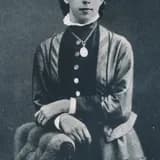
Mignon Nicholson was born in 1876, later becoming the first college-trained female veterinarian in the United States.
View details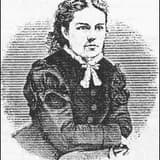
Oliver received a Bachelor of Divinity from Boston University, becoming the first American woman with a theology degree.
View detailsGray published Darwiniana in 1876, a landmark work arguing that science and religion need not be mutually exclusive.
View details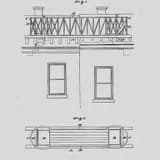
Among first women to submit a patent in Philadelphia, 1877.
View details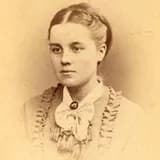
Helen Magill earned a Ph.D. in Greek from Boston University in 1877, becoming the first woman in the U.S. to receive a doctorate in any field.
View details
Self-published the first of 22 annual reports offering farmers practical guidance on identifying and combating crop-damaging insects.
View details
In 1877, Nellie Cashman audaciously became the first white woman to enter the Cassiar mining district.
View detailsAnna Connelly innovated an early fire-escape concept, influencing modern safety designs.
View details
Torma is elected an honorary member of the Society for the Knowledge of Sibiu, an important institutional recognition of her archaeological work.
View details
Emma Abbott founded her own opera company in 1878, becoming the first woman in the United States to establish and lead her own opera company.
View detailsIn 1878, María Elena Maseras became the first woman in Spain to officially complete a university degree.
View detailsGray was elected a corresponding member of the French Academy of Sciences in 1878, adding another major international honor.
View detailsOrmerod became the first woman elected a Fellow of the (Royal) Meteorological Society, a pioneering recognition for a woman in science.
View detailsIn 1878, the New England Hospital Medical Society was formed as the first women’s medical society, advancing women’s professional networks in medicine.
View details
Beasley received her first U.S. patent for a machine that manufactured wooden barrels, launching her career as a professional inventor.
View details
Wiggin established the Silver Street Free Kindergarten, the first free kindergarten in San Francisco and a landmark in West Coast early childhood education.
View detailsIn January 1879, Alcott became the first woman to register to vote in Concord, MA.
View detailsPublication of Torma’s first archaeological monograph, which established her as a published authority in prehistoric archaeology.
View detailsPublishes her memoir, "A Southern Woman’s Story: Life in Confederate Richmond," a landmark Civil War and women’s-history narrative rooted in her Chimborazo service.
View detailsBy 1879, Mary Eliza Mahoney is described as the first African American trained nurse associated with Zakrzewska’s hospital, a milestone for both women’s and Black nursing history.
View detailsPublication of Torma’s study on the Nándor cave-complex, extending her scholarship beyond Turdaș and into broader prehistoric research.
View detailsOliver brought the first test case on women's ordination before the Methodist Episcopal Church General Conference in 1880.
View detailsBy January 1, 1880, Swisshelm was remembered as a pioneering abolitionist editor and women’s rights advocate.
View detailsBeasley developed a compact, fireproof, and easily launched life raft design, an early step toward modern maritime safety equipment.
View detailsPublication year of Haviland’s autobiography, a key firsthand account of abolition and reform work.
View details
Early children's book helped establish Richards's reputation in juvenile fiction, launching her decades-long writing career.
View detailsIn 1882, Emily Warren Roebling became the first woman ever to address the American Society of Civil Engineers, defending her husband's continued leadership of the Brooklyn Bridge project.
View detailsBeasley secured a U.S. patent in 1882 for a refined life raft design, a foundational innovation for modern maritime life-saving equipment.
View detailsOrmerod was appointed consulting entomologist to the Royal Agricultural Society of England, a post she held until 1892.
View detailsIn 1882, María Elena Maseras was finally granted the title of Licenciada en Medicina.
View detailsRebecca Lee Crumpler published a pioneering medical textbook.
View details
Schreiner published The Story of an African Farm under the pseudonym 'Ralph Iron', a landmark work considered one of the first major feminist novels in English.
View details
Hayhurst became the first woman to graduate from the Philadelphia College of Pharmacy in 1883.
View details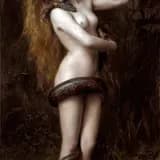
Publication date of George MacDonald’s *Lilith*, a major modern literary reworking of the figure.
View details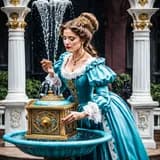
Circa 1885, Gaillard invented a novel music box incorporating a 'portable fountain' that spouted water while music played, one of at least 15 inventions in her career.
View details
Publication year of Martha Coston’s autobiography “A Signal Success,” documenting her invention and commercialization of maritime flares.
View detailsAfter a 15-16 year campaign led by Butler, the Contagious Diseases Acts were repealed, marking the first major legislative victory of a women-led pressure movement in the UK.
View details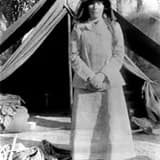
Gertrude Bell achieved first-class honours in Modern History at Oxford, a first for women.
View details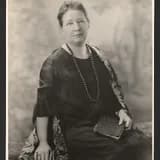
Approximate 1889 organization of Wilmington’s West End Reading Room, a pioneering neighborhood social‑work and literacy center.
View detailsCollection developed Richards's signature nonsense-verse style, later credited with pioneering American children's nonsense poetry.
View details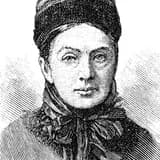
Isabella Bird became the first woman awarded an Honorary Fellowship of the Royal Scottish Geographical Society, a landmark for women in geography.
View details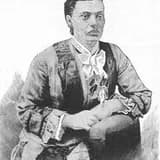
Octavia Rogers Albert's book, 'The House of Bondage,' was published posthumously in 1890.
View details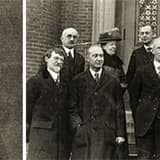
Calkins established one of the first psychology laboratories in the United States at Wellesley College.
View details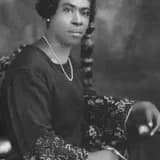
Appointed by President Benjamin Harrison, she became the first African American postmistress in Mississippi.
View details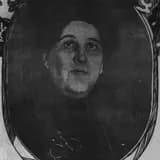
In 1891, Owens became Chicago’s first female police officer and is widely regarded as the first in the U.S.
View details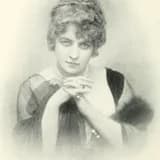
In January 1891, Jeanne Paquin opened her own fashion house in Paris, becoming a leading female couturier in Europe.
View detailsCalkins returned to Harvard in 1892 to conduct memory research under psychologist Hugo Münsterberg.
View detailsIsabella Bird became the first woman elected a Fellow of the Royal Geographical Society in London, breaking a major gender barrier in exploration.
View detailsHarper's novel Iola Leroy was published, placing her among the first African American women to publish a novel.
View details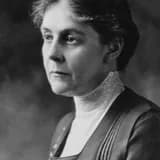
Hamilton earned her medical degree from the University of Michigan Medical School in 1893, launching her career in medicine and public health.
View detailsEmeline is nationally recognized as the first woman dentist.
View details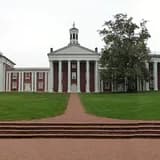
Bertha M. Stiles is appointed as Washington College’s first woman faculty member, teaching English, mathematics, and German.
View detailsCalkins published pioneering experimental studies on association, a precursor to paired-associate learning methods.
View details
Promoted to Officier de la Légion d'honneur, first woman at this rank.
View details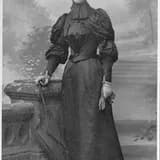
Kingsley undertook her second major West African expedition, becoming one of the first Europeans, and the first woman, to climb Mount Cameroon by an unexplored route.
View details
Appointed the first woman notary in Oregon by George E. Chamberlain, breaking gender barriers in the state’s legal‑administrative work.
View details
Beatrix Potter's beloved pet rabbit Peter, inspiration for Peter Rabbit, died on New Year's Day 1895.
View details
Cannon was hired as an assistant at Harvard College Observatory, joining the Draper Catalogue project.
View details
Opens a professional portrait studio in Brooklyn, launching her career as a working portrait photographer in a male‑dominated field (day unverified, year 1896).
View detailsCalkins expanded her paired-associate research methodology in 1896, refining her earlier association studies.
View detailsMaison Paquin expanded internationally with the opening of a London branch in 1896.
View details
Zagorka began working at the newspaper Obzor in Zagreb, becoming the first professional female journalist in Croatia.
View detailsBarton sailed to Turkey in 1896 to aid victims of the Armenian massacres, extending her humanitarian work into another international crisis.
View details
Goldberg's first documented scientific publication, coauthored with Fritz Ullmann, on derivatives of benzophenone, appeared in print, launching her career in organic chemistry.
View details
King became the first woman registered to practice before the U.S. Patent Office, breaking a major professional barrier.
View detailsKingsley published her landmark travel narrative Travels in West Africa in 1897, achieving significant commercial and critical success.
View detailsCalkins became the first woman elected president of the American Psychological Association in 1898.
View detailsBecomes one of the first two women admitted to The Linked Ring, breaking gender barriers in Britain’s leading pictorialist society (exact day unverified).
View detailsStory exemplified Richards's expanding body of children's literature, part of a bibliography eventually exceeding ninety books.
View details
Whiting founded and directed the Whitin Observatory, establishing Wellesley's astronomy program and becoming one of America's first female astronomy professors.
View detailsIn 1900, Paquin was elected to head the fashion section at the Paris Universal Exposition.
View detailsCalkins introduced her original theory of self-psychology to the academic literature in 1900.
View details
Edith Stoney established an X-ray service at the Royal Free Hospital in London.
View details
Mary Emma Woolley begins her presidency at Mount Holyoke, enhancing its academic reputation.
View detailsCannon published her first catalog of stellar spectra as part of the Henry Draper Memorial project.
View detailsCalkins published her influential textbook An Introduction to Psychology in 1901.
View detailsBell became the first to climb all seven peaks of the Swiss Alps' Engelhörner range.
View detailsThe Indianola Affair started in 1902 when local residents opposed her postmaster position due to her race.
View details
In 1902, Mary became president of the Scottish National District Council of the Shop Assistants’ Union.
View detailsPotter registered a Peter Rabbit soft toy at the British Patent Office, making him the first patented fictional-character merchandise.
View detailsMary was the first woman elected to the national executive of the Shop Assistants’ Union in 1903.
View detailsMignon Nicholson graduated from McKillip Veterinary College in Chicago in 1903, becoming the first college-trained female veterinarian in the U.S.
View detailsGoldberg published research on using copper as a catalyst to prepare a phenyl derivative of thiosalicylic acid, a key variant of the Ullmann reaction later named after her.
View details
In 1904, Selma Lagerlöf received the Swedish Academy’s large gold medal, honoring her growing influence in Swedish literature.
View details
Tarsila paints "Sagrado Coração de Jesus" in Barcelona in 1904, marking her early documented artistic work.
View details
Tarbell's magazine series was compiled and published as the book The History of the Standard Oil Company, a landmark of investigative journalism.
View detailsCalkins served her term as the first woman president of the APA in 1905.
View details
Bertha von Suttner becomes the first female Nobel Peace Prize laureate.
View details
Davison joined Emmeline Pankhurst's WSPU in 1906, beginning her militant suffrage career (exact day unverified).
View details
In 1906, Cunningham created the first known nude self-portrait taken by a woman.
View detailsMary Macarthur founded the National Federation of Women Workers in 1906.
View details
In 1906, Bascom was listed among the 100 most influential scientists in the U.S. in the biographical directory 'American Men of Science.'
View details
Katharine Foot was included in the first edition of American Men of Science (1906), recognized among the era's leading American scientists.
View detailsCalkins delivered her APA presidential address articulating and defending her theory of self-psychology.
View details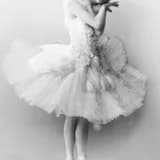
Pavlova's first tour began in 1907, marking a new era for global ballet performances.
View details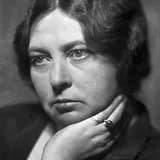
Year of publication of <em>Fru Marta Oulie</em>, Undset’s early breakthrough novel and the beginning of her literary career.
View details
Strobell and Foot published a detailed cytological study of the earthworm egg (Allolobophora foetida), introducing an innovative low-temperature thin-sectioning method.
View details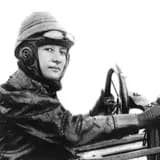
Marvingt wins an international shooting competition and becomes the only woman awarded the Palmes du Premier Tireur by the French Minister of War.
View detailsIn 1907, Uppsala University awarded Selma Lagerlöf an honorary doctorate in philosophy, recognizing her literary achievements.
View details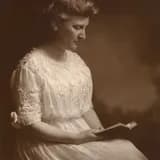
On January 1, 1908, she read about the Springfield race riot, which spurred her civil rights involvement.
View details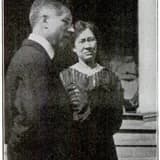
Founded the Neighborhood Union in Atlanta, pioneering a community organization for African Americans.
View detailsHamilton published her first article on occupational diseases in the United States in 1908, initiating her national reputation as an authority on industrial poisons.
View detailsIn 1908, Calkins was ranked twelfth on a list of the top 50 psychologists in the United States.
View detailsIn 1909, Imogen Cunningham invented a cheaper photographic printing paper.
View detailsBecame the first treasurer of the British Federation of University Women.
View detailsIn 1909, Selma Lagerlöf received the Swedish royal medal Litteris et Artibus for outstanding contributions to culture.
View details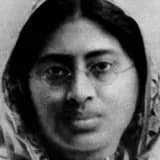
Established the Women's Institute Movement adapting the UK model to India.
View details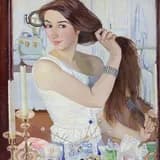
Serebriakova's self-portrait 'At the Dressing-Table' (1909) was exhibited in 1910 in Saint Petersburg, launching her into national recognition and immediate purchase by the Tretyakov Gallery.
View detailsIn February 1910, Pavlova made her first American appearance.
View details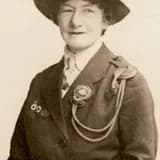
Agnes Baden-Powell established the Girl Guides in Great Britain in 1910, creating the first organized girls' guiding movement after girls demanded their own version of Scouting.
View detailsMary led the 1910 chainmakers’ strike, securing the first minimum wage for workers.
View detailsIn 1910, Jeanne Paquin was honored with the Belgian Order of Leopold II for her contributions to fashion.
View details
Harriet Powers passed away on January 1, 1910, in Clarke County, Georgia.
View detailsIn 1911, Mary published "Half a Man," a crucial study of African American status.
View detailsHamilton's 1911 Illinois survey findings directly influenced the passage of new workers' compensation and occupational disease laws.
View details
Ferber's debut novel, Dawn O'Hara: The Girl Who Laughed, was published, launching her career as a nationally recognized fiction writer.
View details
Audrey Wurdemann was born on January 1, 1911, in Seattle, Washington.
View details
Bethune founded the Mary McLeod Hospital and Training School for Nurses in Daytona Beach to train Black nurses and serve Black patients.
View detailsCannon was appointed Curator of Astronomical Photographs at Harvard College Observatory in 1911.
View detailsIn January 1911, the Illinois Commission submitted its report to Governor Deneen, the first U.S. report proving a direct link between occupation and illness.
View details
"The Montessori Method" is published in 1912, becoming a U.S. bestseller.
View details
Adams became the first woman to ascend El Misti in Peru in 1912.
View detailsFirst woman to traverse from the Amazon River to Cayenne in 1912.
View detailsIn 1912, the House of Paquin opened a Buenos Aires branch, expanding its international presence.
View details
Eleanor Davies-Colley co-founded the South London Hospital for Women in 1912, a pioneering step for women in medicine.
View details
Posthumously recognized as 'China’s first feminist' by 1912.
View detailsIn 1913, Jeanne Paquin received the Légion d'honneur, becoming the first woman designer to merit this accolade.
View detailsBy 1913, Adams had become one of National Geographic’s most prolific female contributors.
View details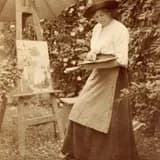
Opened a modernist studio and gallery at 3 Washington Square North.
View details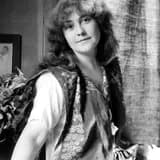
In 1914, Selma Lagerlöf was elected the first female member of the Swedish Academy, breaking its all-male tradition.
View details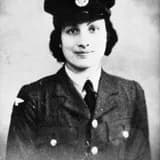
Noor Inayat Khan was born in Moscow, Russia, to an Indian Sufi father and an American mother.
View details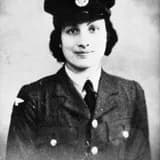
Birth of Noor-un-Nisa Inayat Khan (later known as Noor Inayat Khan) in Moscow, Russia.
View detailsBy 1914, Maison Paquin expanded to Madrid, enhancing its global presence.
View detailsAfter decades of dedication, Emeline retires from dentistry.
View details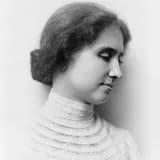
In 1915, Helen Keller co‑founds the American Foundation for Overseas Blind, later Helen Keller International.
View details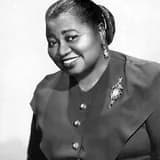
Hattie McDaniel became the first Black performer to sing on network radio, performing with George Morrison's orchestra.
View detailsMarie Marvingt flies bombing missions near Metz in WWI, becoming the first woman combat pilot and earning the Croix de Guerre.
View details
In 1916, Joyner became the first African American graduate of Chicago’s A.B. Moler Beauty School.
View detailsEmeline passes away, leaving an impactful legacy in dentistry.
View detailsFrom 1917, Jeanne Paquin served as the first female president of the Chambre syndicale de la couture.
View details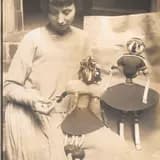
Höch's woodcut 'Der Prophet Matthäus' was published in Das Kunstblatt, marking her first public artistic recognition.
View details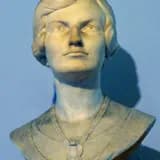
In 1917, Procter began working as a voluntary research assistant to herpetologist George Albert Boulenger at the Natural History Museum, London.
View detailsIn 1917, the U.S. Army rescinded Walker's Medal of Honor under revised award criteria.
View details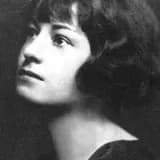
Parker becomes drama critic for Vanity Fair, January 1918.
View detailsCalkins became the first woman elected president of the American Philosophical Association in 1918.
View details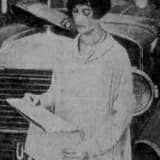
Marie Luhring joined International Motors as a mechanical engineer during WWI, amidst labor shortages.
View details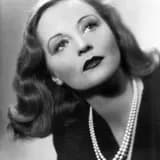
Tallulah worked at the Mayor’s Committee for National Defense during WWI.
View details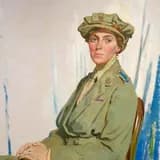
Gwynne-Vaughan became the first woman to receive a military Dame Commander of the Order of the British Empire (DBE).
View details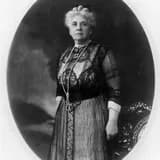
Founds the Women’s Peace Society, an absolutist women’s pacifist organization opposing all militarism.
View detailsHamilton became the first woman appointed to the Harvard Medical School faculty, as assistant professor of industrial medicine, in 1919.
View details
Opha May Johnson became a charter member of Belleau Wood Post No. 1 in 1919, the first post for female Marines.
View detailsIn 1919, Bascom published 'The Geology of Mount Desert Island,' becoming the first professional female geologist to survey the island.
View details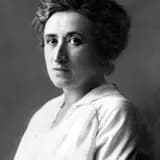
Luxemburg helped found the Communist Party of Germany on January 1, 1919.
View detailsParker joins the Algonquin Round Table founding in 1919.
View details
Monica Maurice pursued engineering studies at a time when British universities rarely admitted women into technical and engineering programmes.
View details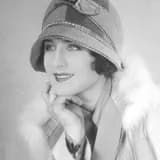
Shearer appeared in 'The Star Boarder', marking her early entry into films.
View detailsMarie Luhring became the first female associate member of the Society of Automotive Engineers.
View details
Becomes fifth superintendent of Carter County schools in Oklahoma, an early and influential role for a woman in county‑level educational administration.[4]
View detailsBy the early 1920s, Marie Luhring became one of the first female truck designers in the U.S.
View details
Helps found and chairs the Wafd Central Committee for Women, the first official women’s body inside Egypt’s main nationalist party.
View detailsShearer got her first feature role in 'The Stealers'.
View detailsIn 1920, upon Boulenger's retirement, Procter took over his position at the Natural History Museum, an unprecedented step for a woman in British science.
View details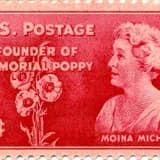
In 1921, the American Legion Auxiliary adopted the red poppy as its memorial flower, extending Moina Michael’s poppy campaign into a nationwide women-led effort.
View detailsMary Macarthur died of cancer on January 1, 1921, in London.
View details
Boulanger joined the founding faculty of the newly established American Conservatory in Fontainebleau, beginning her legendary decades-long role teaching American composers.
View details
Lucy Tayiah Eads became the first female chief of the Kaw Nation in 1922.
View details
Became Executive Secretary of the Pennsylvania Branch of WILPF, highlighting leadership role.
View details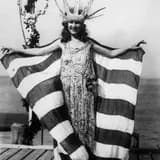
Margaret Gorman became the only Miss America crowned at the end of her reigning year.
View details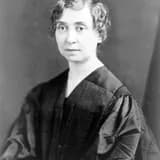
Cline became the first woman appointed by the U.S. Treasury as appraiser of merchandise at the port of Cleveland, under President Warren Harding.
View detailsKing became the first woman to argue a patent case before the U.S. Supreme Court in 1922.
View detailsBethune’s Daytona school merged with the Cookman Institute in 1923, creating a coeducational college that became Bethune-Cookman.
View detailsOwens retired from the Chicago Police Department in 1923 after 32 years of service.
View detailsFounds the Egyptian Feminist Union and becomes its first president, creating Egypt’s first nationwide, explicitly feminist organization.
View detailsKing won Crown v. Nye in 1923, becoming the first woman to win a case before the U.S. Supreme Court.
View detailsIn 1923, Procter contributed her scientific expertise to the planning and design of the new Aquarium at London Zoo.
View detailsIn 1923, after helping design its new Aquarium, Procter joined ZSL's staff as Curator of Reptiles and Amphibians at London Zoo.
View detailsProcter became the first woman ever to hold the position of Curator of Reptiles and Amphibians at London Zoo, breaking a significant gender barrier.
View detailsAuthors the 400‑page "Journal of Carter County Schools," a comprehensive study of schools and districts in Carter County, Oklahoma.[4]
View detailsJoyner helped to write Illinois’s first cosmetology laws, contributing to the formal regulation and professionalization of the industry.
View detailsBethune was elected president of the National Association of Colored Women’s Clubs in 1924, expanding her national leadership role.
View detailsNellie Cashman set a record as a woman musher in 1924, traveling 750 miles in 17 days.
View details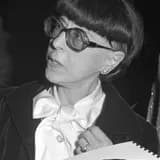
Edith Head received her first screen credit as costume designer at Paramount Pictures for the silent film 'Peter Pan' (1924).
View detailsPublishes "William Lloyd Garrison and Non-Resistance," interpreting her father’s abolitionist pacifism.
View detailsShearer starred in MGM's first official production, 'He Who Gets Slapped'.
View details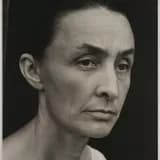
Moves to Shelton Hotel, starts skyscraper paintings.
View details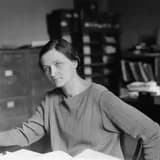
Completed Ph.D. thesis on stellar atmospheres, a groundbreaking work in astrophysics.
View detailsMcDaniel became the first African-American woman to sing on U.S. radio, performing on Denver's KOA station.
View detailsLaunches the feminist magazine L’Égyptienne, which becomes the Egyptian Feminist Union’s influential journal and voice.
View details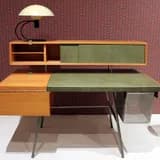
Greta emigrated to the U.S., starting her design career with her studio.
View details
Completion of Hermann’s 1926 Göttingen doctorate under Emmy Noether, a landmark contribution to algorithmic algebra.
View details
In 1926, a Baltimore school was renamed in her honor, later becoming Coppin State University.
View detailsIn 1926, Selma Lagerlöf received the Swedish Illis quorum medal, one of the nation’s highest civilian honors.
View detailsFerber's novel Show Boat was published in 1926, later inspiring the landmark 1927 Broadway musical of the same name.
View details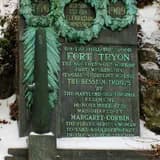
The DAR erected the Margaret Corbin Monument at West Point, the only monument there dedicated to a woman veteran.
View detailsMarries former Oregon governor and U.S. senator George E. Chamberlain, forming what is described as the first and only pair of former U.S. state governors to wed.
View details
In 1926, Margarete Schütte-Lihotzky designed the Frankfurt Kitchen, revolutionizing kitchen efficiency.
View details
Menchik won the inaugural Women's World Chess Championship in London in 1927, launching an unprecedented reign of dominance.
View details
Death of her husband Thomas Salmon Moses, a turning point that led Anna Mary Robertson Moses toward painting.
View details
Schiaparelli launched her Paris couture house, beginning with innovative knitwear and expanding into avant-garde haute couture.
View details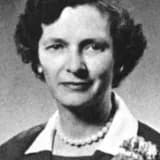
Willis joined the U.S. Foreign Service in 1927, beginning the career that made her the first woman to build a full Foreign Service path.
View details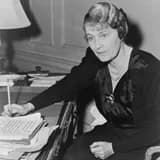
Completion of her expansive Palm Beach estate, Mar-a-Lago, marking a new era of cultural patronage.
View detailsIn 1928, the University of Greifswald awarded Selma Lagerlöf an honorary doctorate, recognizing her international literary stature.
View details
Maria Reiche completed her university studies in Dresden in 1928, earning qualifications in mathematics, geography, and foreign languages.
View details
Seghers published her breakthrough novella about a fishermen's uprising, winning the Kleist Prize in 1928.
View details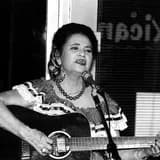
At about 12, Lydia Mendoza began her recording career with her family's ensemble in San Antonio, Texas.
View detailsGwynne-Vaughan was appointed Dame Grand Cross of the Order of the British Empire in recognition of her service and scientific work.
View detailsShearer starred in 'The Trial of Mary Dugan', her first talkie film.
View details
Kogan opened her own independent industrial design studio in New York, becoming one of the first women to do so.
View details
Graduated with distinction in physics from the University of Cape Town, earning a master’s degree and beginning her scientific career.
View details
Gerty and Carl Cori published their landmark description of the biochemical pathway now known as the Cori cycle.
View detailsFerber's novel Cimarron was published in 1930, later adapted into the 1931 Best Picture Oscar-winning film.
View details
Juliana R. Force became the first director of the newly founded Whitney Museum of American Art in New York City.
View details
Ruth and Kenneth Wakefield open the Toll House Inn in Whitman, Massachusetts, establishing the future birthplace of the chocolate chip cookie.
View details
By early 1930, Miller’s work with Man Ray is closely linked to the development and artistic use of solarization, a key Surrealist photographic technique.
View detailsNational Federation of Business and Professional Women identifies Jane Aitken as the first American businesswoman.
View detailsIn 1930, she stepped down as NAACP executive secretary but remained active on the board.
View details
Ella Baker began working with the YNCL, organizing consumer cooperatives.
View detailsBy early 1930, Lee Miller co‑runs a New York photography studio with her brother, establishing herself as a professional photographer and business owner.
View detailsTarsila holds her first solo exhibition in Paris, showcasing her Brazilian-themed modernist works.
View details
In 1931, Mayer described the two-photon absorption process in her dissertation, a foundational concept in nonlinear optics.
View details
Lola won first prize at the Exhibición Nacional de la Pintura y Fotografía.
View details
Katherine Dunham founded Ballet Nègre, described by Congress as the first Black ballet company in the United States.
View details
Elizabeth Jocelyn Feinler was born in Wheeling, West Virginia, in 1931. Exact month and day are not documented in available sources.
View detailsReturned to South Africa from Berlin and married bacteriologist Max Sterne, beginning a long scientific partnership under restrictive conditions for married women.
View details
Eldorado Jones died in New York City in 1932, after years of financial hardship; exact month and day are not reliably documented.
View details
At about age ten, Millo Castro Zaldarriaga performs with her sisters in Anacaona, Cuba’s first all‑girl dance band, breaking the island’s taboo against female drummers.
View details
Nin published her first book, a critical study of D.H. Lawrence, launching her career as a published writer.
View detailsIn 1932, Lee Miller marries Egyptian businessman Aziz Eloui Bey and relocates to Egypt, opening a new phase of landscape and Surrealist‑inflected photography.
View detailsMinnie Geddings Cox died, leaving a legacy of bravery in the struggle for racial equality.
View details
Sher-Gil painted 'Young Girls' in 1933 while studying in Paris, later earning her recognition at the Grand Salon.
View details
She became the first contract singer in Brazilian radio history with Rádio Mayrink Veiga.
View details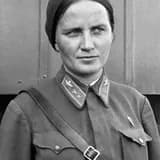
Marina Raskova became the first woman in the Soviet Union to serve as a navigator in the Soviet Air Force.
View details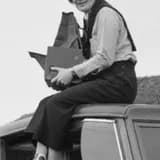
Lange creates *White Angel Breadline*, her first major documentary photograph during the Great Depression.
View detailsCannon established the Annie Jump Cannon Award in 1933 to honor women astronomers for distinguished contributions to the field.
View detailsCannon became the first woman elected as an officer of the American Astronomical Society in 1933.
View details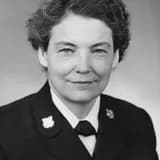
Stratton became Purdue's first full-time Dean of Women in 1933, expanding academic opportunities and enrollment for women students.
View details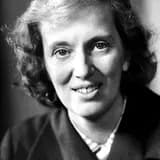
With J.D. Bernal, Hodgkin co-published the first X-ray diffraction pattern of a hydrated protein crystal, pepsin, a foundational moment in protein crystallography.
View detailsLange holds her first exhibition of photographs in San Francisco, establishing herself as a documentary photographer.
View details
In 1934 Marion Post returned to the U.S. after studying and witnessing the rise of Nazi Germany, an experience that sharpened her social conscience.
View detailsWhile serving in Stockholm, Willis became the first U.S. woman to act as chief of mission abroad in 1934.
View detailsLydia Mendoza recorded her first solo hit 'Mal Hombre,' significantly marking her solo career.
View details
Lettie Pate Whitehead Evans joined the Coca-Cola Company board in 1934, becoming one of the first women to serve on a major U.S. corporate board.
View detailsAssumed national roles in WILPF, cementing her status as a key figure in U.S. peace advocacy.
View detailsLydia Mendoza became the first Hispanic woman to achieve widespread fame as a singer in the Southwest.
View detailsIn 1935, Hermann exposed a key logical flaw in John von Neumann’s famous no–hidden‑variables proof in quantum mechanics.
View detailsJoyner served as a founding member of the National Council of Negro Women, aimed at advancing the interests of Black women.
View detailsBethune founded the National Council of Negro Women in 1935 to unify Black women’s organizations and amplify their political voice.
View detailsRoosevelt appointed Bethune special advisor to the National Youth Administration in 1935, beginning her national federal role.
View details
Her first collection, 'Theory of Flight,' was published in 1935 by Yale University Press.
View detailsBethune became Director of Negro Affairs in 1936, becoming the first Black woman to head a federal agency.
View details
Began training and reconnaissance missions as the world’s first female combat pilot in 1936.
View detailsJean Harshaw Lesko plays on Washington College’s men’s varsity tennis team, breaking a gender barrier in collegiate athletics.
View details
Phyllis Pearsall published the first edition of the London A-Z street atlas, revolutionizing urban navigation and founding the Geographers' A-Z Map Company.
View detailsEstablished a studentship to fund women's scientific research overseas.
View detailsGerty and Carl Cori isolated glucose-1-phosphate, a key intermediate in glycogen metabolism later named the 'Cori ester.'
View detailsAnna Mary Robertson Moses began painting seriously, launching the late-life artistic career that made her famous.
View detailsIn 1937, Gökçen completed her training as Türkiye's first female military pilot.
View detailsJoined the International Executive Committee of WILPF, broadening her influence globally.
View detailsBy early 1937, Lee Miller marries British Surrealist Roland Penrose, integrating into key UK avant‑garde circles and establishing a base at Farley Farm House.
View detailsSabiha Gökçen received the "Jeweled Medal" from the Turkish Aeronautical Association in 1937.
View detailsSabiha Gökçen flew bomber missions in the Dersim Operations, 1937.
View detailsMary Emma Woolley’s presidency at Mount Holyoke ends after 36 years.
View detailsBoulanger became the first woman to conduct London's Royal Philharmonic Orchestra, breaking a significant barrier for women in classical conducting.
View detailsFirst published Toll House Chocolate Crunch Cookie recipe appears in Ruth Wakefield’s 1938 cookbook, the earliest documented chocolate chip cookie recipe.
View detailsIn 1938 Marion Post Wolcott joined the FSA's Historical Section, beginning the most significant documentary photography phase of her career.
View detailsPublished 'The Book of the Dead', exposing the Hawks Nest Tunnel disaster.
View detailsCannon received a formal Harvard appointment as William C. Bond Astronomer in 1938.
View detailsEdith Head became the first woman to lead the costume design department of a major Hollywood studio, Paramount Pictures.
View details
In 1938, Virginia Apgar became the first woman to head a specialty division at Columbia.
View detailsMarion Post Wolcott became the first woman to be offered a full-time photographer appointment with the Farm Security Administration in 1938.
View detailsJoyner received a settlement in 1938 from the Burlington Rock Island Railroad after her discrimination lawsuit.
View detailsWolcott began her landmark 1938–1942 FSA project, ultimately producing over 9,000 photographs documenting rural poverty and Depression-era American life.
View details
Her groundbreaking master's thesis, "The Development of Consciousness of Self and the Emergence of Racial Identification in Negro Preschool Children," was published in 1939.
View detailsAround 1939, Ruth Wakefield licenses her Toll House cookie recipe to Nestlé, allowing it to be printed on chocolate packages in exchange for payment and lifetime chocolate.
View details
Goldring became the first woman in the United States to hold the title of State Paleontologist, appointed by New York State in 1939.
View detailsIn 1939, Wolcott traveled to Florida for the FSA to photograph migrant laborers and their families enduring harsh conditions on rural farms.
View details
1939: Tsai-Fan Yu earns her medical degree from Peking Union Medical College with highest honors.
View details
Dorothy Schiff acquires a controlling stake in the New York Evening Post, becoming majority stockholder and key executive of the venerable daily.
View detailsElla Baker became a field secretary for the NAACP.
View details
Schwartz's first academic paper, co-authored under the name Anna Jacobson, appeared in The Review of Economics and Statistics in 1940.
View detailsBethune became vice president of the NAACP in 1940, a post she held until her death.
View detailsPublicly opposed the U.S. military draft bill, demonstrating her strong pacifist stance.
View details
Thornton won a singing contest, catching the attention of Sammy Green.
View detailsIn 1941, Reiche first saw the Nazca Lines with American historian Paul Kosok, launching her lifelong dedication to studying and preserving them.
View detailsWolcott's landmark FSA documentary photography phase concluded in 1942, capping a body of work that shaped visual memory of the Great Depression.
View detailsDorothy Schiff becomes publisher, president, and owner of the New York Post, the first woman to run a major New York City daily newspaper.
View details
Ruth Atkinson entered the male-dominated comic book industry in the early 1940s, becoming one of the earliest professional female comic book artists in the United States.
View details
MoMA purchases Thelma Johnson Streat’s painting "Rabbit Man," the first work by a Black woman in its permanent collection.
View details
Susan Ahn became the first Asian American woman to join the U.S. Navy's WAVES program.
View details
Peggy Braithwaite becomes an official lighthouse keeper at Walney Island.
View details
Hänchen earned her physics doctorate under Fritz Goos, with a dissertation on light penetration into the rarer medium during total reflection.
View detailsIn 1943, Mamie Phipps Clark became the first African American woman to earn a Ph.D. in psychology from Columbia University.
View detailsSusan Ahn became the first Asian American woman officer in the U.S. Navy.
View detailsBaker was promoted to director of branches for the NAACP.
View details
Cipe Pineles becomes the first female member of the New York Art Directors Club (year documented, day/month not).
View details
Publication of Beauvoir’s first major novel, She Came to Stay, which launched her career as an existentialist novelist.
View details
After being wounded in Italy, Cook received the Purple Heart, making her the first woman in the U.S. Army to hold both the Bronze Star Medal and Purple Heart.
View detailsOrganizes the first Arab Feminist Congress in Cairo, bringing together women activists from multiple Arab countries.
View detailsOn January 1, 1944, Stratton was promoted to Commander, becoming the first woman in Coast Guard history to hold this rank.
View details
Tesoro began her industrial chemistry career at Onyx Oil and Chemical Company, launching decades of textile chemistry innovation.
View detailsFounds the Arab Feminist Union, the first region‑wide feminist organization linking women’s groups across the Arab world.
View detailsIn 1944, 'Willard Gibbs' was published, exploring science and poetry.
View detailsCook sustained a shrapnel wound to her right arm when German bombing struck her field hospital in Italy, yet continued caring for patients under fire.
View detailsCook was awarded the Bronze Star Medal for meritorious service in Italy, becoming one of the first women—and the first Army nurse—to receive the decoration.
View detailsCook's Bronze Star Medal and Purple Heart together led to her recognition as the first American woman to receive two military decorations in World War II.
View detailsUnder Schiff’s ownership, the New York Post launches the Paris‑Post, an ambitious postwar newspaper venture in France.
View detailsBethune attended the 1945 United Nations Charter conference in San Francisco as the only African American woman among the NAACP delegates noted.
View details
Ruth Handler co-founded Mattel and became its first president, helping build a major toy company.
View detailsUndset was awarded Norway’s Grand Cross of the Order of St. Olav for her literary work and patriotic efforts during and after the war.
View detailsJoyner founded UBSOTA and Alpha Chi Pi Omega, vital organizations for Black beauty industry workers.
View detailsIn 1945, she created the Lettie Pate Evans Foundation, a philanthropic organization supporting education and healthcare across the American South.
View details
OSRD awards Maria Telkes a Certificate of Merit for her solar distillation work (year documented; exact day not).
View detailsIn 1945, Lee Miller’s wartime photographs include the first recorded images of napalm use, documenting a new and devastating incendiary weapon.
View detailsHodgkin and C.H. Carlisle determined the crystal structure of cholesteryl iodide, the first completely stereochemically correct steroid structure ever solved.
View detailsForce and Frick Collection director Frederick Clapp organized opposition to a U.S. touring exhibition of German art taken as war booty.
View detailsMamie and Kenneth Clark founded the Northside Center for Child Development in Harlem in 1946, providing mental health services to Black children and families.
View detailsBy 1946, Tesoro had risen to head the organic synthesis department at Onyx Oil and Chemical Company.
View detailsHodgkin used X-ray crystallography to determine the structure of penicillin, confirming its unusual beta-lactam ring and enabling large-scale synthesis efforts.
View details
Estée Lauder Inc. was officially founded on January 1, 1946, in New York.
View detailsBecame National Administrative Secretary/Exec. Director of U.S. WILPF, leading until 1966.
View details
Hodgkin and colleagues used X-ray diffraction to determine the molecular structure of penicillin, confirming its unusual beta-lactam ring.
View details
Kathleen Booth devised Contracted Notation for the ARC computer, now recognized as the world's first assembly language.
View detailsBy 1947, Streat was among only four African American artists with solo art exhibitions in New York City.
View detailsHänchen and Fritz Goos published the definitive experimental confirmation of the lateral displacement of totally reflected light beams, now called the Goos–Hänchen effect.
View details1947: Tsai-Fan Yu relocates to New York City to continue her medical and research career.
View details
McBurnie founded the Little Carib Theatre, Trinidad’s first theatre of its kind and a landmark for Caribbean arts.
View detailsIn 1947, she published her memoir detailing her NAACP and activism experiences.
View detailsFrom 1947 onward, Lee Miller’s wartime and Surrealist photography begins to attract postwar recognition, though full appreciation will come decades later.
View details
Helen became the first female copywriter at Foote, Cone & Belding in 1948.
View detailsBy 1948, Cipe Pineles’s New York Art Directors Club membership was recognized as a historic first for women.
View details
Kay McNulty married physicist and ENIAC co-designer John W. Mauchly in 1948, beginning a lifelong personal and professional partnership.
View details
Blanch concluded her decade leading the Mathematical Tables Project, closing the human-computation era she had helped define.
View details
Vera Atkins was appointed a Companion of the Order of the British Empire on January 1, 1948.
View detailsPermanently relocates to New Mexico, enhancing her Southwestern connection.
View detailsBy 1949 she taught at Sarah Lawrence College, impacting many women writers.
View detailsWhile in France in 1949, Streat became the first American woman to host her own television program in Paris.
View detailsGoldring became the first woman to serve as president of the Paleontological Society, a major achievement for women in geoscience.
View details
Papusza's songs and poems began reaching wider Polish audiences through ethnographer Jerzy Ficowski, who transcribed her oral compositions.
View details
Zelma Watson George becomes the first Black woman to perform a leading operatic role on Broadway.
View detailsPapusza's poems appeared in the Polish literary magazine Nowa Kultura in 1950, marking her debut in print as a named Roma author.
View details
Holberton wrote one of the earliest statistical software packages, used to process 1950 U.S. Census data on UNIVAC I.
View details
Hazen and Rachel Fuller Brown discovered nystatin, the first useful antifungal antibiotic and a breakthrough in fungal-disease treatment.
View details
In 1950, Ethel Payne's career launched with her first articles in the Chicago Defender.
View detailsStreat was requested in 1950 to perform a dance program at Buckingham Palace, reflecting her international acclaim.
View details
Aenne Burda launched Burda Moden, a sewing-pattern fashion magazine that became an international publishing sensation and the foundation of her business empire.
View detailsLost her South African post over anti-apartheid opposition and emigrated to the United Kingdom, redirecting her scientific career.
View detailsGreta von Nessen's Anywhere Lamp featured in MoMA exhibition.
View details
Wu became the first woman awarded the National Academy of Sciences' Comstock Prize in Physics for her nuclear physics research.
View details
In 1951, recorded here as January 1, Eugenie Anderson became the first American woman to sign a treaty for the United States, completing a trade and navigation agreement with Denmark.
View detailsHazen and Brown obtained patent protection for nystatin and assigned the rights and royalties to support the Brown-Hazen Fund.
View detailsHolberton created the first sort-merge generator, an early generative programming system that influenced modern compiler design.
View detailsTruman appointed Bethune to the Committee of Twelve for National Defense in 1951, recognizing her national leadership.
View details
In 1952, Cuba issued a national postage stamp honoring Clara Maass for her sacrifice in the yellow fever experiments.
View details
Emma Bailey is accepted as the first female member of the National Auctioneers Association, breaking the gender barrier in the profession.
View details
By 1952, Miller had begun flying, starting the career that led to her historic aviation firsts.
View detailsPapusza composed "Tears of Blood" (Ratfale jasfa), a searing narrative poem recounting the massacre and persecution of Roma during WWII.
View detailsFerber published Giant in 1952, a sprawling novel of Texas ranching society later adapted into the acclaimed 1956 film starring James Dean.
View detailsBethune represented President Truman at Liberian President William V. S. Tubman’s 1952 inauguration, extending her diplomatic role.
View detailsThornton recorded the original version of "Hound Dog" with Johnny Otis.
View detailsThe Anywhere Lamp began production and was added to museum collections.
View detailsIn 1952, Virginia Apgar developed the Apgar Score, an evaluation method for newborns.
View detailsPayne won first prize for her reporting on child adoption and African Americans in industry.
View details
Hulme won the Atlantic Nonfiction Prize for The Wild Place, her acclaimed account of postwar refugee relief work in Europe.
View details
A second coelacanth was discovered near the Comoro Islands, confirming the survival of the species known through Courtenay-Latimer's original find.
View details
Jorgensen launched a public career in 1953 as a nightclub performer and lecturer, leveraging her fame to speak about her experience.
View details
Makeba's official singing debut with the influential Manhattan Brothers.
View detailsSchwartz's first book, co-authored with Arthur Gayer and W.W. Rostow, was published in 1953, establishing her as a serious economic historian.
View detailsBy 1953, Jorgensen had become the first person in the United States to gain major public recognition after undergoing gender-affirming surgery.
View details
Franklin moved to Birkbeck College and began TMV structural studies.
View details
Ann E. Dunwoody was born in January 1953, later becoming the first female four-star general in U.S. military history.
View detailsJorgensen returned to the U.S. in 1953 to overwhelming press coverage, beginning her decades-long career as a public figure.
View detailsEisenhower appointed Willis ambassador to Switzerland in 1953, making her the first career female U.S. ambassador.
View details
Esther Blake left active Air Force duty in 1954 and began a civil service career at the Veterans Regional Headquarters in Montgomery, Alabama.
View details
Passed the New York licensing exam in 1954, becoming the first Black woman licensed architect in New York State (date approximate).
View detailsFranklin determines the first detailed structure of a virus, TMV, at Birkbeck.
View details
Lila Acheson Wallace joined the board of the New York Central Railroad, becoming the first woman railway director in U.S. history.
View details
In 1954, Sklarek became the first African American woman to be licensed as an architect in the state of New York.
View detailsWillis was appointed career minister in 1955, reflecting her senior standing in the Foreign Service.
View details
By 1955, HeLa cells became the first human cells successfully cloned in laboratory conditions, a landmark in cell biology.
View details
Bettie Page became Playboy's first-ever fold-out centerfold model in January 1955, establishing a signature format for the magazine.
View detailsBy 1955, Payne was credentialed to cover the White House, a rare achievement for Black journalists.
View detailsThe Whitney Museum of American Art acquired Sugaring Off, a major institutional recognition of her work.
View detailsTesoro was promoted to associate director of research at Onyx Oil and Chemical Company in 1955.
View detailsWillis was the only woman at the 1955 Big Four Summit Conference in Geneva, a rare visible role at the center of Cold War diplomacy.
View details
1956: Van Duyn receives the Eunice Tietjens Memorial Prize from Poetry magazine for “Three Valentines to the Wide World,” an early national recognition of her work.
View detailsThe poetry collection Pieśni Papuszy was published in 1956 with a preface by Jerzy Ficowski, cementing her literary reputation in Poland.
View details
J.V.B. Records issues Aretha Franklin’s first single, “Never Grow Old,” marking her commercial debut.
View details'Lovely Lies' became the first South African record to chart in the US.
View detailsAfter nearly a decade of crystallographic work, Hodgkin and her team solved the complex structure of vitamin B12, revealing its unique corrin ring system.
View detailsAt age 14, Aretha releases her first gospel album, recorded live at New Bethel Baptist Church.
View details
Bastock's 1956 study of the 'yellow' mutation in Drosophila provided the first evidence a single gene could change courtship behaviour.
View details
During a 1957 training flight, Smith flew at nearly Mach 1, becoming the first member of Congress—male or female—recognized for breaking the sound barrier.
View detailsWillis began serving as U.S. ambassador to Norway in 1957, extending her unprecedented career in senior diplomacy.
View detailsWu announced results of her cobalt-60 experiment, the first definitive experimental proof that parity is violated in weak nuclear interactions.
View detailsTesoro was named assistant director at Onyx Oil and Chemical Company in 1957, cementing her leadership in industrial chemistry.
View detailsKathleen Booth co-founded Birkbeck's Department of Numerical Automation, regarded as the world's first university computer science department.
View details
Lillian Leitzel was the first person to be inducted into the Circus Hall of Fame in 1958.
View details
Margaret Bush Wilson became the first female president of the St. Louis NAACP.
View detailsPapusza received the Lubuska Nagroda Kulturalna (Lubusz Cultural Award) in 1958, an important regional recognition of her literary work.
View detailsKathleen Booth published one of the earliest books on computer programming, notable for having a woman author in that era.
View details
Janet Carol Libby was born in Tampa, Florida, later becoming the first woman to reach four-star general rank in the U.S. Air Force.
View details
Approximate 1958 poetry prize from the Swedish Poets Association/Swedish Radio for Sachs’s verse and translations.
View details
Mary Tsingou married and changed her name to Mary Tsingou Menzel in 1958.
View detailsFerber published Ice Palace in 1958, a novel set in Alaska that supported statehood efforts and was adapted into a 1960 film.
View detailsApproximate 1959 honorary poetry award from the Cultural Committee of German Industry, Sachs’s first major German recognition.
View details
Birth of cotton breeder and inventor Sally Fox in Palo Alto, California, future creator of FoxFibre.
View detailsMcBurnie received the OBE in recognition of her cultural contributions to Trinidad and Tobago.
View detailsBecame the first Black woman member of the American Institute of Architects (AIA) in 1959 (date approximate).
View details
Paula Kent Meehan co-founded Redken Laboratories in 1960, pioneering pH-balanced, protein-based hair care products rooted in scientific research.
View detailsBy the 1960s, the U.S. Marine Corps formally concluded that the Lucy Brewer legend was fictional, rejecting claims she was the first woman Marine.
View details
Ann Marshall became the first female newscaster in Los Angeles, writing and broadcasting for the program 30/60 News (exact date approximate).
View detailsGeorge was appointed the only Black member of the U.S. delegation to the 15th U.N. General Assembly.
View detailsFeinler joined SRI International in 1960, marking her transition from biochemistry into the emerging field of information science.
View detailsApproximate 1960 award of the Meersburg Droste Prize, honoring Sachs’s poetry on Jewish fate and exile.
View details
Receives the W. H. Smith Commonwealth Literary Award for Friday’s Footprint, her first major international literary honor.
View details
Young became executive director of the National Urban League.
View detailsLaunched U.S.–USSR women’s exchange seminars, promoting East-West dialogue.
View detailsIn 1961, Miller became the first woman to solo a Hughes Model 269A helicopter.
View detailsIn 1961, Miller helped test physical standards for women astronaut candidates at the Lovelace Clinic.
View detailsApproximate 1961 founding of the Nelly Sachs Prize in Dortmund, with Sachs as its first recipient.
View details
Elizabeth Lane became the first woman appointed as a County Court judge in England and Wales, a landmark breakthrough for women in the judiciary.
View details
Nevelson joined Sidney Janis Gallery in 1962 as its first sculptor and first female Abstract Expressionist artist.
View detailsBlanch was elected a Fellow of the AAAS, recognizing her scientific contributions to numerical analysis and computation.
View detailsWillis became the first woman to earn the rank of career ambassador in 1962, the highest professional rank in the Foreign Service.
View detailsIn 1962, recorded here as January 1, President Kennedy appointed Eugenie Anderson U.S. minister to Bulgaria, making her the first woman to head a mission in a Soviet bloc country.
View detailsObtained her California architect’s license in 1962, becoming the first African American woman licensed architect in the state (date approximate).
View detailsBecame director of the MRC Experimental Radiopathology Unit at Hammersmith Hospital, leading major radiation biology research.
View detailsCourtenay-Latimer published work on Gray’s Beaked Whale, expanding her contributions to marine mammal studies.
View details
Madam C. J. Walker was recognized as the first self-made woman millionaire in America by the Guinness Book.
View detailsFerber's final book, the memoir A Kind of Magic, was published in 1963, closing out a prolific half-century literary career.
View details
Stern published the first case report linking herpes simplex virus (HSV) to cervical cancer, pioneering the study of viral causes of cancer.
View detailsSchwartz co-authored with Milton Friedman this landmark work reshaping understanding of the Great Depression and the role of monetary policy.
View details1964: Van Duyn receives the Helen Bullis Prize from Poetry Northwest, recognizing her growing stature and craft as a mid‑century American poet.
View details
Renamed her London marriage bureau the St. James Computer Dating Service and began running computerized match-ups, widely credited as the first commercially successful computer dating service in the UK.
View details
Marlene Sanders becomes the first woman to anchor an evening network newscast in the United States.
View detailsJoins ABC News and anchors "News with the Woman’s Touch," an early network news segment hosted by a woman.
View details
Mattel released 'Miss Astronaut' Barbie, depicting her in spacefaring gear years before women entered NASA's astronaut corps.
View detailsApproximate 1965 Peace Prize of the German Book Trade to Sachs, making her the prize’s first female laureate.
View details
During her Vogue tenure, Vreeland coins the term 'youthquake' in 1965 to describe youth culture's sweeping influence on fashion and society.
View detailsYoung became president of the National Conference on Social Welfare.
View detailsProduced key evidence that the scrapie infectious agent lacks nucleic acid, an early foundation for prion theory.
View details
In 1965, Shirley Muldowney became the first woman NHRA-licensed to drive a gasoline dragster.
View details
Lydia Mei died in 1965, closing out a career that spanned Estonian and Parisian avant-garde art circles.
View detailsOn her appointment to the High Court in 1965, Lane was created a Dame Commander of the Order of the British Empire, the customary honour for High Court judges.
View detailsLane became the first woman appointed a High Court judge in England and Wales, assigned to the Probate, Divorce and Admiralty Division.
View detailsIn 1965, recorded here as January 1, Eugenie Anderson became a U.S. UN delegate and the first woman to represent the United States on the U.N. Security Council.
View details
Motley became the first woman borough president of Manhattan.
View details1966: Van Duyn is selected as one of the first five poets to receive a National Endowment for the Arts literature grant, marking early federal support for her work.
View details
Harris served as an alternate delegate to the UN General Assembly for the U.S. from 1966–1968.
View detailsReports from Vietnam, becoming the first woman network TV correspondent to cover the war from the field.
View details
Karen Silkwood marries Bill Meadows in 1966, beginning a marriage that produces three children and ends in divorce in 1972.
View detailsElizabeth Lane became the first woman elected as a bencher of any Inn of Court in England, a major institutional first for women in law.
View detailsSklarek became the first African American woman licensed as an architect in California after relocating to Los Angeles.
View detailsHelps launch NOW and founds New York NOW, the first chapter of the National Organization for Women.
View detailsGuyana awarded McBurnie the Golden Arrow Crown, recognizing her regional cultural influence.
View details
Wilma Vaught was the first woman to deploy with a SAC bombardment wing, breaking gender barriers in military deployments.
View details'Pata Pata' became a global hit, marking a significant cultural first.
View details
Franklin becomes the first female Professor of Metallurgy and Materials Science at the University of Toronto.
View details
Jane Cooke Wright becomes associate dean at New York Medical College, the first African American woman to hold such a role at a U.S. medical school.
View detailsMattel released Francie and later a 'Colored Francie' doll, an early attempt at racial diversity within the Barbie family of dolls.
View details
Invented the hydrazine resistojet concept at RCA, a breakthrough in satellite propulsion.
View details
Margulis published 'On the Origin of Mitosing Cells,' laying out modern serial endosymbiotic theory (SET), initially rejected by ~15 journals before acceptance.
View details1968: Van Duyn wins first prize in the Borestone Mountain Poetry Awards, underscoring national recognition of her poems in contemporary literary circles.
View detailsMattel introduced Christie, widely regarded as the first fully realized African-American doll in the Barbie range, a landmark in racial representation.
View details1968: Van Duyn receives the Hart Crane Memorial Award from American Weave Press, highlighting her growing prominence in American poetry.
View details
Joined The Washington Post in 1968, beginning the career phase that made her a central editorial voice in American journalism.
View details1968: Van Duyn is honored with the Harriet Monroe Memorial Prize from Poetry magazine for her distinguished contributions to contemporary poetry.
View detailsIn 1968, she traveled to Hanoi for an unofficial peace mission.
View details
Publication of the work that revealed discontinuous DNA replication and the Okazaki fragments.
View details
Muriel Siebert establishes Muriel Siebert & Co., Inc.
View detailsFeinler began working at SRI's Network Information Center as ARPANET, the precursor to the modern internet, began to grow.
View detailsYoung elected president of the National Association of Social Workers.
View detailsMcBurnie received Trinidad and Tobago’s Humming Bird Gold Medal for her cultural contributions.
View details
Patricia Roberts Harris became the first African American woman dean of a U.S. law school at Howard University.
View details
Coretta Scott King becomes the first woman to preach in a statutory service at St Paul's Cathedral in London.
View detailsCoretta Scott King becomes the first non-Italian to receive the Universal Love Award in Italy.
View details
Adena Friedman was born on January 1, 1969, in Baltimore, Maryland.
View detailsAppointed as the first African American woman dean of a U.S. law school in 1969.
View detailsMuseu de Arte de São Paulo hosts a retrospective of Tarsila in 1969, recognizing her impactful career.
View details
Smith received the Queen's Gold Medal for Poetry in 1969, a rare and prestigious lifetime honor for British poets, in recognition of her singular body of work.
View detailsNevelson was elected to the American Academy of Arts and Letters in 1969, a top honor for American artists.
View detailsAfter roughly 35 years of research, Hodgkin and her team solved the 3D structure of rhombohedral 2Zn insulin, a landmark in structural biology and diabetes research.
View details1970: Van Duyn is awarded the Bollingen Prize in Poetry by Yale University Library, placing her among the most honored poets in the United States.
View detailsReceived RCA Astro-Electronics Engineering Excellence Award.
View detailsWhitney Museum opens a major retrospective of O’Keeffe’s work.
View detailsAround 1970, Payne became the first African American woman network commentator.
View detailsAfter her mastectomy, Handler began work on realistic breast prostheses, later founding Nearly Me.
View details
During the 1970s, Armatrading becomes the first Black British female singer-songwriter to achieve international success.
View detailsHarris became the first African American woman to serve on the board of a Fortune 500 company, IBM.
View details
Gayle Long Wicker elected as MC’s first female student president.
View detailsAwarded the James Tait Black Memorial Prize for A Guest of Honour, confirming her stature in Anglophone literary fiction.
View details
Wins the Miss Black Tennessee pageant, a title that leads directly to her first radio work at WVOL in Nashville.
View detailsHarris joined the IBM board, becoming the first Black woman on a Fortune 500 board.
View details
Flight Safety Foundation Heroism Award given posthumously to Harrison for her life‑saving actions on BOAC Flight 712.
View detailsJane Cooke Wright becomes the first woman elected president of the New York Cancer Society, breaking a major gender barrier in oncology leadership.
View detailsPayne joined CBS News, becoming the first African American woman commentator on a national network.
View detailsKaren Silkwood begins work in 1972 as a laboratory technician at Kerr-McGee’s Cimarron River nuclear fuel fabrication plant.
View details
Steinem co-founds Ms. magazine, the first national feminist magazine created and run entirely by women.
View details
Emecheta’s first novel, "In the Ditch," was published, detailing life as a Nigerian single mother in Britain.
View detailsFeinler joined Doug Engelbart's Augmentation Research Center at SRI to work on the ARPANET Resource Handbook.
View detailsTesoro began serving as Visiting Professor, Adjunct Professor, and Senior Research Scientist at MIT starting in 1972.
View detailsGayle Long Wicker became MC’s first female admissions counselor.
View details
Becomes the first woman director of the New York Stock Exchange, breaking the sex barrier on its board of directors.
View details1972: Van Duyn receives a Guggenheim Fellowship in poetry, supporting her ongoing work and confirming her status among the foremost poets of her generation.
View details
Clarke becomes commander of the U.S. WAC Center and School at Fort McClellan.
View detailsBrill secured a US patent for her pioneering electrothermal hydrazine thruster.
View detailsIn a 1973 Science article, Stern became the first to report a definite link between prolonged oral contraceptive use and cervical cancer.
View detailsMattel introduced Doctor Barbie, depicting Barbie as a physician at a time when women still faced significant barriers entering medicine.
View details
Spencer's poetry appeared in the Norton Anthology, making her the first African-American woman poet and first Virginian included in a Norton poetry collection.
View details1973: Tsai-Fan Yu becomes the first woman appointed as a full professor at Mount Sinai School of Medicine.
View details
Appointed MBE for services to music, an early official recognition of her rising operatic stature.
View detailsFeinler became principal investigator for the ARPANET Network Information Center, a role she held for over a decade.
View details
Barré-Sinoussi completes her doctorat ès sciences in Paris, formalizing her scientific training in virology.
View details
Becomes the first woman member of the Air Line Pilots Association (ALPA), entering the main U.S. airline‑pilot union.
View detailsKaren Silkwood is contaminated with plutonium in 1974 at the Kerr-McGee plant, intensifying her efforts to expose safety violations.
View detailsThe Conservationist wins the Booker Prize, making Gordimer the first South African writer to receive this major award.
View details
Walters became the first woman to co-host NBC's Today show, breaking a major barrier in morning television journalism.
View details
First woman to direct the DOT Office of University Research.
View detailsPublication of "Second-Class Citizen," consolidating her literary reputation.
View details
Appointed as ADA, Ferraro created the first Special Victims Bureau.
View details
Inducted into 3M’s Carlton Society, recognizing top scientists.
View detailsIn 1975, she was elected President of PEN American Center.
View detailsClarke serves as the last Director of the Women’s Army Corps before its dissolution.
View detailsIn 1975, the U.S. Postal Service issued a "Contributors to the Cause" commemorative stamp honoring Sybil Ludington as a Revolutionary War patriot during the Bicentennial era.
View details
After completing graduate studies in chemistry, Askins joined NASA's Marshall Space Flight Center as a chemist.
View detailsSindecuse Museum documents Emeline’s role as first woman dentist.
View details
Ebadi was appointed president of Bench 24, becoming the first woman to preside over a court in Iran.
View details
Mother Teresa awarded the first Albert Schweitzer International Prize.
View detailsPromoted to ABC News vice president and director of documentaries, the division’s first woman VP.
View detailsNew York City honored Nevelson with the Mayor's Award for her cultural contributions to the city in 1976.
View detailsRelease of "The Bride Price," exploring Nigerian customs and women's autonomy.
View detailsLaunch date of *Lilith* magazine, a landmark Jewish feminist publication that reclaimed the mythic name.
View detailsIn 1976, Lee Miller is diagnosed with cancer, entering the final phase of a life marked by artistic innovation, war trauma, and later domestic creativity.
View details1976: Van Duyn receives the Loines Prize from the National Institute of Arts and Letters for her sustained excellence in poetry.
View detailsDorothy Schiff sells the New York Post to Rupert Murdoch, ending nearly four decades of female-led liberal stewardship of the historic daily.
View detailsIn 1977, Harris became the first African American woman appointed as a U.S. Cabinet secretary at HUD.
View detailsHarris was the first African American woman in the U.S. presidential line of succession as HUD Secretary.
View detailsAppointed as the first African American woman U.S. Cabinet secretary in 1977.
View details
Annie Ernaux receives the Prix d’Honneur du roman for "Ce qu’ils disent ou rien"; the award is documented for 1977 without a specific day.
View details
Sontag’s *On Photography* was published, winning the 1978 National Book Critics Circle Award.
View details
Blum publishes a landmark study showing a common flame retardant in children’s sleepwear is carcinogenic, prompting regulatory removal.
View detailsIn 1977, Shirley Muldowney became the first woman to win the NHRA Top Fuel world championship.
View detailsEmecheta's "The Slave Girl" was published, addressing slavery and women's resistance.
View detailsNevelson received the Edward MacDowell Medal in 1977, honoring her lifetime contribution to American arts.
View detailsClarke becomes the first woman to command a major Army installation and lead the Military Police and Chemical Schools.
View details
Conway and Carver Mead published the landmark textbook that launched the Mead–Conway VLSI design revolution worldwide.
View detailsNevelson was honored with the Skowhegan Medal for Sculpture in 1978, recognizing her influence on contemporary sculpture.
View details
Heilbron became the first woman Presiding Judge of the Northern Circuit, recognized for leading any circuit in England and Wales.
View detailsThe Alvin Ailey Dance Company honored McBurnie as one of three pioneers in Black dance.
View details'The Collected Poems of Muriel Rukeyser' published in 1978.
View details
Askins' image-enhancement technique was applied to intensify underexposed astronomical and geological photographs for NASA.
View detailsAskins published a scientific paper detailing her patented autoradiographic method for intensifying underexposed photographic images.
View detailsBarbara Askins became the first woman ever named National Inventor of the Year by the Association for the Advancement of Inventions and Innovations.
View detailsAskins received U.S. Patent No. 4,101,780 for her method of intensifying images from developed photographic film using radioactive material.
View detailsPapusza received the Gorzów Award in 1978, part of a series of honors recognizing her literary legacy late in her life.
View detailsSontag’s *Illness as Metaphor* was published, critiquing medical metaphors.
View detailsPapusza received the Nadodrza Cultural Award in 1978, one of several honors bestowed on her that year in recognition of her poetry.
View detailsPapusza received an award from the Polish Minister of Culture in 1978, marking renewed official recognition of her literary contributions.
View details
In 1978, Anna Jane Harrison became the first woman elected president of the American Chemical Society since its founding in 1876.
View detailsIn 1979, Harris became the first person of color to hold two different U.S. Cabinet posts.
View details
Katharine Graham retired as publisher of the newspaper.
View detailsPosthumous induction of Gertrude Käsebier into the International Photography Hall of Fame and Museum (exact ceremony date unrecorded, year 1979).
View details
As part of Robert Gallo's NCI team, Wong-Staal helped discover HTLV-1 in 1979, the first human retrovirus ever identified, later linked to adult T-cell leukemia.
View details"The Joys of Motherhood" was published, exploring burdens of motherhood.
View details
Born January 1, 1979, in Santa María Quiegolani, Oaxaca, into a Zapotec indigenous family.
View detailsThe American Institute of Architects awarded Nevelson its Medal for Sculpture in 1979.
View detailsBarbara Askins became the first woman honored as National Inventor of the Year by the Association for the Advancement of Inventions and Innovations.
View detailsPublished *Cellular Radiobiology*, a major synthesis of her work and an influential text in the field.
View detailsThe University of the West Indies awarded McBurnie an honorary Doctor of Laws in recognition of her cultural work.
View detailsIn 1979, Harris became the first African American woman to lead two U.S. Cabinet departments.
View detailsLeads a delegation to Beijing as the first U.S. Secretary of Commerce to visit China, advancing early U.S.–China commercial ties.
View detailsBurger’s Daughter wins the Central News Agency Literary Award, even as the apartheid regime bans the novel.
View details
Kathleen McGrath enters the U.S. Navy in 1980, beginning the 22-year career that leads to her historic warship command.
View details
Graduated from the Journalism Department of Moscow State University and took her first job at the Soviet paper of record, Izvestia.
View details
Cisneros’s first chapbook, Bad Boys, was published in 1980, launching her book career.
View detailsIn 1980, Sklarek became the first African American woman elevated to Fellow of the American Institute of Architects.
View detailsJoined Welton Becket & Associates in 1980 as vice president, becoming its first female licensed architect and first woman senior hire (date approximate).
View detailsElevated to AIA College of Fellows in 1980, becoming the first African American woman Fellow of the American Institute of Architects (date approximate).
View details
Susan Maxman founded her architectural practice in 1980, building a platform for preservation-minded and user-centered design.
View details
Guthrie secured major sponsorship from Texaco Star in 1980.
View detailsIn 1980, Shirley Muldowney became the first person to win the NHRA Top Fuel world championship twice.
View details1981: Van Duyn receives a fellowship from the Academy of American Poets, adding to her growing list of national literary honors.
View detailsBlum completes a long Great Himalayan Traverse, walking across Bhutan, Nepal, and India’s mountain regions.
View details
Fulani co-founded the All Stars Project, a performance-based youth development organization serving low-income youth in New York City.
View detailsJuly’s People receives the Central News Agency Literary Award, highlighting her leadership in South African fiction.
View detailsBy 1981, Papusza was living in Inowrocław under the care of her sister Janina, reflecting her declining health and isolation in later life.
View detailsIn 1982, Muldowney became the first to win the NHRA Top Fuel world championship three times.
View details
Mitchell became the first American woman to have a solo exhibition at the Musée d'Art Moderne de la Ville de Paris, a major institutional milestone.
View detailsTesoro joined the Polytechnic Institute of New York University as Research Professor in 1982, continuing her academic career.
View details
Julia Robinson became the first woman AMS president in 1982.
View detailsCreated Dame Commander of the Order of the British Empire for outstanding contributions to opera.
View details1982: Van Duyn receives the Carl Sandburg Prize from Cornell College in recognition of her contributions to contemporary poetry.
View detailsShe became the first female full professor at Nagoya University, a landmark for women in Japanese academia.
View detailsThe House on Mango Street, Cisneros’s breakthrough novella, was published in 1983.
View detailsIn 1983, Wong-Staal and colleagues at the NCI were among the first researchers to identify HIV (then called HTLV-III) as the causative agent of AIDS.
View detailsNellie Cashman was inducted into the Arizona Women’s Hall of Fame in 1984.
View detailsSang at the Westminster Abbey wedding of Prince Andrew and Sarah Ferguson, extending her public prominence.
View details
Rachel Zimmerman created the Blissymbols printer/software as a school project, aiding non-verbal communication.
View details
By early 1984, MADD’s advocacy helps many states raise drinking ages and adopt stricter DUI laws, meeting key early policy goals.
View detailsAnnie Ernaux receives the Académie française’s Prix Maillé-Latour-Landry for "La Place" in 1984; only the year is documented.
View detailsTerminal One at Los Angeles International Airport was completed in 1984 before the Olympic Games, with Sklarek in a leading project role (date approximate).
View detailsAnnie Ernaux receives the Prix Renaudot for "La Place"; sources confirm the year 1984 but not the exact award date.
View detailsElected Fellow of the Society of Women Engineers (SWE).
View detailsMother Teresa receives the Presidential Medal of Freedom in the U.S.
View detailsMattel released a Black Barbie astronaut, years before Mae Jemison became the first Black woman in space in 1992.
View detailsIn 1985, Wong-Staal became the first scientist to clone HIV and determine the function of its genes, producing the first genetic map of the virus.
View detailsPublication of Sally Fox’s illustrated volume "The Medieval Woman: An Illuminated Book of Days."
View detailsSheila Widnall elected to the National Academy of Engineering.
View detailsSusan Maxman founded Susan Maxman Architects in 1985, expanding her presence as a woman-owned architectural leader.
View detailsSklarek co-founded Siegel, Sklarek, Diamond in 1985, then the largest women-owned architecture firm in the United States.
View detailsCo-founded Siegel, Sklarek, and Diamond in 1985, becoming the first African American woman to found and co-own a woman-owned architectural firm (date approximate).
View detailsNevelson received the National Medal of Arts from President Reagan in 1985, the highest U.S. honor for artists.
View detailsCommands Continental Airlines’ first all‑female commercial flight crew, widely cited as the first all‑women commercial flight crew in U.S. airline history.
View details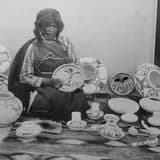
Nampeyo was inducted into the Arizona Women’s Hall of Fame for her innovative impact on Hopi pottery and design revival.
View detailsAwarded the WILPF Peace and Freedom Award, honoring her leadership in activism.
View detailsReceived the Dag Hammarskjöld Peace Prize for services to peace.
View detailsRecognized as the first woman to receive the NACD Director of the Year award, honoring her trailblazing leadership on major corporate boards.
View details1987: Van Duyn is honored with the Shelley Memorial Award from the Poetry Society of America for her distinguished body of work.
View detailsIn 1987, the Air Force Senior NCO Academy at Maxwell AFB named a student dormitory after Esther Blake, honoring her legacy as the Air Force's first enlisted woman.
View details
In 1987, Johnnetta Betsch Cole becomes Spelman College’s seventh president and first Black woman president.
View detailsPublication of Sally Fox’s illustrated "The Victorian Woman: A Book of Days," documenting nineteenth-century women’s lives.
View detailsBritish Airways acquires Harrison’s George Cross medal and displays it at its Heathrow archive museum.
View details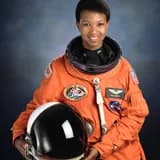
By 1988, Jemison completed NASA astronaut training, becoming the first Black woman designated a mission specialist.
View details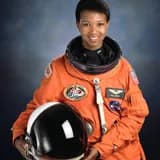
By 1988, Mae Jemison completed NASA astronaut training, becoming the first African American female astronaut qualified for shuttle missions.
View details
Goldin became the first woman ever awarded tenure in Harvard University's economics department, breaking a long-standing gender barrier in academic economics.
View detailsFeinler retired from SRI International in 1989 after nearly three decades and after leading the Network Information Center since 1973.
View details1989: Van Duyn is awarded the Ruth Lilly Poetry Prize, recognizing her extraordinary lifetime achievement in American poetry.
View detailsFranklin is named the first woman to hold the University Professor title at the University of Toronto.
View detailsFranklin delivered the CBC Massey Lectures, published as "The Real World of Technology."
View detailsCourtenay-Latimer authored reflections on her coelacanth discovery, reinforcing her pioneering role in natural history.
View details
Allen became the first woman named an IBM Fellow, the company's highest technical honor, recognizing her leadership in compiler optimization.
View detailsMcBurnie received Trinidad and Tobago’s highest honor, the Trinity Cross, for her lifelong cultural leadership.
View detailsPublication of Sally Fox’s "The Sporting Woman: A Book of Days," highlighting historical images of women in sport.
View detailsInducted into the Minnesota Inventors Hall of Fame.
View detailsNamed among Entertainment Weekly’s most influential people in entertainment, as the first African-American woman so recognized.
View detailsAppointed to the Order of New Zealand, the nation’s highest civilian honour.
View details1990: Van Duyn receives the Missouri Arts Award, honoring her longstanding contributions to Missouri’s literary and cultural life.
View detailsPerformed and recorded “World in Union,” the anthem associated with the 1991 Rugby World Cup.
View details
Became a partner at Pentagram, based in New York.
View detailsGovernment of Canada recognizes Grace Annie Lockhart as a National Historic Person for pioneering women’s university education.
View detailsBecame first female principal at Pentagram's New York office.
View detailsWoman Hollering Creek and Other Stories was published in 1991, extending Cisneros’s literary influence.
View details
Joy Mangano sold 18,000 Miracle Mops on QVC in early 1992, showcasing her invention's national appeal.
View detailsSusan Maxman became the first woman elected president of the American Institute of Architects in 1992.
View detailsAt age 83, delivered an invited lecture to the Radiation Research Society in Dallas, showing enduring scientific influence.
View detailsIn 1992, Dunwoody became the first woman to command a battalion in the 82nd Airborne Division.
View details
Marita Petersen became the first woman to lead Javnaðarflokkurin in 1993, breaking another barrier in Faroese party politics.
View detailsIn 1993, Marita Petersen became the first female chair of the Løgting, adding another historic first to her political career.
View detailsSteinem helps launch the first national program encouraging employers and parents to expose girls to workplace opportunities.
View detailsIn 1993, Marita Petersen became the first woman to serve as Prime Minister of the Faroe Islands, a landmark for Faroese and Nordic political history.
View details
Arnold pioneered the first directed evolution of enzymes, creating a revolutionary method for engineering biocatalysts.
View detailsAwarded SWE Resnik Challenger Medal for innovative propulsion concepts.
View details
Nancy Perkins joined Duquesne University School of Law in 1993, launching a long career teaching property, environmental law, and environmental justice.
View detailsKathleen McGrath assumes command of USS Recovery (ARS 43), her first ship command, during 1993–1994.
View details
Han Kang's short story "Red Anchor" wins the Seoul Shinmun New Year's Literary Contest, marking her debut as a novelist.
View details
Honduras ratifies ILO Convention 169 with COPINH's advocacy, ensuring indigenous consultation rights.
View detailsCOPINH contributes to the creation of San Francisco de Opalaca, the first indigenous municipality.
View detailsFulani co-founded CUIP, a national strategy center that built networks of independent political activists across more than 30 U.S. states.
View detailsCreated iconic identity for The Public Theater.
View details
Thelma Hulbert died in 1995, leaving behind a body of work celebrated for its subtle colourism and quiet domestic subjects.
View detailsAppointed Companion of Honour for her distinguished contribution to the arts internationally.
View detailsHonored on a 1995 U.S. Postal Service Civil War commemorative stamp recognizing her service as a Chimborazo Hospital matron and administrator.
View details
Irene Morgan received the Presidential Citizens Medal for her pioneering role in challenging bus segregation and advancing civil rights in America.
View detailsSusan Maxman expanded her practice into Susan Maxman & Partners Ltd. in 1995, reflecting the firm’s growth and maturity.
View detailsEstée Lauder transitioned to honorary chairman in 1995.
View detailsDeath of Gertrude Blanch in San Diego, ending a pioneering career in numerical analysis and early computing.
View detailsTesoro's tenure as Research Professor at the Polytechnic Institute of New York University concluded in 1996.
View detailsGayle Long Wicker appointed to MC's Board of Trustees.
View detailsIn 1996, Gökçen was the only woman on USAF's "20 Greatest Aviators" poster.
View detailsNamed a laureate of the International Botev Prize, honoring the humanist and moral force of her writing.
View detailsMattel released Becky, marking the first time a doll using a wheelchair joined the Barbie universe, an early representation of physical disability.
View detailsIn 1997, Audrey Forbes Manley becomes Spelman College’s first alumna president.
View details
Tyra Banks received VH1's Supermodel of the Year award in 1997.
View detailsIn 1998, Georgia Tech renamed an administration building the Lettie Pate Whitehead Administration Building in her honor.
View detailsCOPINH organizes statue exchange of Columbus for Lempira, highlighting indigenous resistance.
View detailsWalters's exclusive interview with Monica Lewinsky in 1999 became the highest-rated news program ever broadcast by a single network.
View details
Inducted into the Virginia Aviation Hall of Fame, honoring her pioneering role as the only WASP military test pilot and first woman jet pilot.
View detailsShe received the L’Oréal-UNESCO Award for Women in Science for her landmark contributions to molecular biology.
View details
Beryl Bainbridge was appointed DBE in the 2000 New Year Honours for her services to literature, one of the highest honors for a British writer.
View detailsA historical marker was dedicated recognizing Irene Morgan's pivotal role in desegregating interstate bus travel and advancing American civil rights.
View detailsIn 2000, Dunwoody became Fort Bragg’s first female general officer.
View detailsReceived NASA Distinguished Public Service Medal.
View detailsAppointed to the National Research Council Space Studies Board.
View detailsInducted into Women in Aviation International’s Pioneer Hall of Fame for her trailblazing jet flight and contributions to aviation and science writing.
View details
Around 2001, Haile created the first solid acid fuel cell converting hydrogen or hydrocarbon fuels into electricity.
View detailsInducted into the National Inventors Hall of Fame for co-inventing Scotchgard.
View detailsAwarded for contributions to peace and understanding.
View detailsWon IEEE Judith A. Resnik Award for rocket propulsion innovation.
View details
Lily Parr became the first woman inducted into the National Football Museum's English Football Hall of Fame, recognising her pioneering career.
View detailsFirst woman awarded the AIAA Wyld Propulsion Award.
View detailsBecame the first Russian journalist to receive the International Women's Media Foundation's Courage in Journalism Award.
View details
Readers of Brigitte voted Sophie Scholl the greatest woman of the 20th century in 2003.
View details
In 2003, Theresa Kachindamoto became the first female Ngoni chief in Malawi.
View detailsIn 2004, Dunwoody became the first woman to command the Combined Arms Support Command.
View details
Rowling receives the OBE for services to children’s literature.
View details
Established the Christiane Nüsslein-Volhard Stiftung to support talented women scientists with children, addressing work-family barriers in German academia.
View detailsIn 2005, Dunwoody became the Army’s top-ranking woman as Deputy Chief of Staff, G-4.
View detailsBuchi Emecheta was appointed OBE for her contributions to literature.
View detailsFrances Allen became the first woman to receive the ACM A.M. Turing Award, computing's highest honor, for her work on compiler optimization and parallelization.
View detailsThe American Alpine Club publishes a career profile, "Breaking Trail: A Climbing Life," highlighting Blum’s mountaineering firsts.
View details
Berezin was inducted into the Long Island Technology Hall of Fame for her pioneering computer systems and word processing work.
View detailsThe practice evolved into SMP Architects in 2007, continuing Susan Maxman’s long-running Philadelphia firm.
View detailsABC-CLIO's 2007 Encyclopedia of Women in the Renaissance formally recognized Cortese's Secreti as the sole printed book by a female alchemist of the century.
View details
MammaPrint, the 70-gene test co-developed by van 't Veer, became the first FDA-approved molecular diagnostic microarray test for breast cancer.
View detailsReceived the AIA Whitney M. Young Jr. Award in 2008 for her contributions to social responsibility in architecture (date approximate).
View detailsIn 2008, her right to vote and run for office was formally denied under indigenous customary law, sparking national debate.
View details
Rieback developed the world’s first RFID virus in 2008, a genuine first.
View detailsReceived Mexico's National Youth Award from President Felipe Calderón in 2008 for advancing indigenous women's political rights.
View detailsOn 1 Jan 2008, Keyser & Irby‑Massie’s encyclopedia entry on Metrodora formally summarized the Florence manuscript attributing a medical treatise to her.
View details
Xian Zhang became the first woman to conduct the Staatskapelle Dresden in its principal hall, breaking a major gender barrier.
View detailsShe received the Order of the Sacred Treasure, a national honor recognizing her scientific contributions.
View detailsAnnie Ernaux is awarded the Prix Marguerite-Duras for "Les Années" in 2008; sources give the year but not the exact date.
View detailsAnnie Ernaux receives the regional Prix François-Mauriac for "Les Années" in 2008; the exact award day is not recorded.
View detailsAnnie Ernaux receives the Prix de la langue française for her body of work in 2008; the award is documented by year only.
View detailsIn 2009, Nancy Perkins became Associate Dean of Academic Affairs at Duquesne University School of Law.
View details
Inducted into National Inventors Hall of Fame for propulsion systems.
View details
Perry became the first female artist to sell over 3 million digital downloads each for her first two singles.
View detailsWorld-first achievement in 2010 converting solar energy into hydrogen more efficiently than photosynthesis.
View detailsResearcher Marilyn Richardson used newly digitized records to confirm Lewis died September 17, 1907, at Hammersmith Infirmary, London.
View detailsArchival research clarifies Edmonia Lewis's death date and burial site.
View details
Awarded National Medal of Technology and Innovation by Obama.
View detailsSusan Maxman was named to the National Institute of Building Sciences board in 2011 by President Obama.
View detailsLaunch of the Oprah Winfrey Network (OWN), a cable channel co-founded and led by Winfrey.
View detailsBerezin was inducted into the Women in Technology International Hall of Fame for her early computer reservation systems and word processor.
View detailsGallimard publishes Ernaux’s collected works in its Quarto series; she is the first woman writer included during her lifetime.
View detailsIn 2011, pushed through a constitutional amendment in Oaxaca granting indigenous women full political rights.
View details
Outen was appointed MBE for her services to rowing, conservation, and charity.
View details
Melanie Perkins co-founded Canva in 2012 with Cliff Obrecht and Cameron Adams, aiming to make graphic design accessible to everyone.
View detailsFeinler was elected to the Internet Hall of Fame in 2012 for her pioneering contributions to the architecture of the early internet.
View detailsMaria Telkes is inducted into the National Inventors Hall of Fame (year documented; exact day not).
View detailsCáceres receives Shalom Award for defending indigenous and environmental rights.
View detailsLaunched the "MAPS" series of large-scale paintings.
View detailsBy January 2012, Perry became the first artist ever to have four songs each sell more than 5 million digital copies.
View details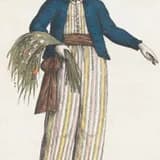
In January 2012, botanists formally named a new South American nightshade species, Solanum baretiae, in honor of Jeanne Baret.
View detailsOrganizes community blockade against the Agua Zarca Dam project, protecting the Gualcarque River.
View details
Publication of Deakin's scholarly article examining evidence for Theano as an early woman mathematician.
View details
Leymah Gbowee becomes a trustee of the Carnegie Corporation, joining a major U.S. philanthropic foundation.
View detailsIn 2014, pioneered a reform to the Mexican Constitution ensuring indigenous women's full voting and candidacy rights nationally.
View detailsAwarded the Nota Sol/Nota Cien Prize in Spain for activism in protecting indigenous rights.
View details
Nyad was honored as a National Geographic Adventurer of the Year in recognition of her historic Cuba-to-Florida swim.
View detailsSusan Maxman joined the National Institute of Building Sciences board again in 2015, underscoring her national leadership in building policy.
View detailsReceives the Monsignor Romero Award for human rights advocacy in Honduras.
View detailsNagoya University created the Tsuneko and Reiji Okazaki Award to honor their scientific legacy.
View detailsShe was named Person of Cultural Merit in Japan, recognizing her lifelong scientific impact.
View detailsOn 1 Jan 2016, a Journal of Universal Surgery article profiled Aspasia and Cleopatra Metrodora as influential early Byzantine female physician‑surgeons.
View detailsAnnie Ernaux receives the European Strega Prize (Prix Strega europeo) in 2016; the exact day is not specified.
View details
Elizabeth Blackburn became the first woman president of the Salk Institute in 2016.
View details
Elizabeth Blackburn assumes the presidency of the Salk Institute for Biological Studies.
View detailsAnnie Ernaux receives the Prix Marguerite Yourcenar for her body of work in 2017; only the year is documented.
View details
QST, the journal of the American Radio Relay League, published a profile of Jeri Ellsworth's engineering and amateur radio work in its January 2017 issue.
View detailsShe gained 21st-century recognition as the 'Mother of Feminism'.
View detailsArnold was named the Linus Pauling Professor of Chemical Engineering, Bioengineering, and Biochemistry at Caltech.
View details
Brock Capital's professional biography detailed Horn's continued corporate directorships and advisory roles after her Federal Reserve tenure.
View detailsThe 1574 edition of Cortese's Secreti was featured in Penn's 'Defying Convention: Frontiers of Knowledge' exhibition on women in early science.
View detailsMattel expanded disability representation, introducing a full range of Barbie dolls with prosthetic limbs and wheelchairs.
View detailsNancy Perkins retired from Duquesne University School of Law in 2019 as Professor Emerita after more than two decades of teaching and leadership.
View detailsHistorians of science and gender studies in the 2020s continued citing Cortese's Secreti as a rare female-authored alchemical manual shaping women's history of science.
View detailsShe received the Order of Culture, one of Japan’s highest honors for scholarship and achievement.
View detailsMattel released six Barbies modeled after real women fighting the COVID-19 pandemic, including vaccinologist Sarah Gilbert and nurse Amy O'Sullivan.
View detailsOn 1 Jan 2021, Arrupe journal published a Spanish biographical article on Metrodora, presenting her as a pioneering woman physician and author.
View detailsBerezin was posthumously inducted into the National Inventors Hall of Fame for her computer systems and the first standalone word processor.
View details
The National Portrait Gallery honored Michelle Howard on January 1, 2022.
View detailsOn 1 Jan 2023, the Women’s Legacy Project updated its catalogue entry on Metrodora, presenting her as a Greek physician in Rome with a key gynecological treatise.
View detailsIn 2023, asteroid 571938 named 'Mariaeimmart,' honoring Eimmart's astronomical contributions.
View detailsOn 1 Jan 2023, a Women’s Legacy Project record detailed Metrodora’s treatise in Codex Plut. 75.3, noting 63 chapters on women’s diseases.
View detailsIn 2023, led a Federal Penal Code reform criminalizing child marriage, making Mexico the first Latin American country to classify it as a grave crime.
View detailsOn 1 Jan 2024, modern profiles collectively reinforced Metrodora’s image as a pioneering gynecologist and surgeon, often called “the mother of gynecology.”
View detailsThe Italian Senate recognizes Bettisia Gozzadini as possibly the world’s first woman university teacher.
View details
Died Jan. 1, 2026, in Winchester, Virginia, at age 77 after a battle with brain cancer.
View details
Ariadne became a lasting artistic figure, often shown asleep on Naxos before Dionysus finds her, symbolizing abandonment and divine transformation.
View detailsAriadne’s defining mythic act: she helps Theseus escape the Labyrinth after the Minotaur is slain, making her one of antiquity’s most enduring female figures.
View detailsHannah Adams became the first American woman known to earn her living solely through professional authorship.
View details