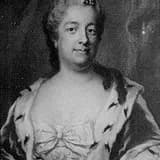
In 1752, she proposed potato flour as a safer substitute in cosmetics, replacing some toxic ingredients in contemporary powders.
In 1752, noted here with the placeholder date 1 January 1752 to signify the year, Eva Ekeblad reported that potato flour could be used as a substitute in cosmetics, particularly face powders.[2][17] At the time, many fashionable cosmetic products contained toxic substances such as lead and arsenic, posing serious health risks.
By proposing finely milled potato starch as an alternative, Ekeblad again applied agrarian chemistry to everyday problems in aristocratic life. Her suggestion offered a safer, domestically producible ingredient for powders used across European high society.[2][17] The idea also reinforced the potato’s versatility, extending its utility from food and drink to personal care.
Although primary documents do not specify the exact day and month of this report, later biographical accounts treat her cosmetic experiments as part of a coherent program of practical chemistry, conducted on her estates and communicated to the Royal Swedish Academy of Sciences.[2][11][17] The work illustrates how early modern women could innovate within the realm of beauty culture while simultaneously advancing applied science.
Note: Because available sources provide only the year 1752, the date here is marked as approximate and used only to situate the event chronologically.