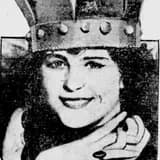
Mary Campbell’s captivity made her the first documented white child in the Western Reserve/Ohio territory.
By her return in 1764, Mary Campbell had become known as the first documented white child in the Western Reserve/Ohio territory. The designation is tied to her forced movement into the region during the French and Indian War and her later place in local memory, where it became one of the central facts attached to Mary Campbell Cave.
This was historically significant because her presence in the region predates the large-scale Euro-American settlement that followed. The label “first documented white child” reflects how frontier communities later used her story to mark beginnings and to situate colonial memory in the geography of northeastern Ohio. At the same time, the story also reveals the violence and coercion that underlay that “first” presence.
The achievement is a sentinel one because it shows how a single child’s captivity could become a foundational narrative for a region. Yet the memory is contested: some modern historians question whether the cave tradition is fully supported by primary sources, while local commemorations continue to treat the site as meaningful. Campbell’s story thus remains a key example of how frontier history, myth, and public memory intersect.