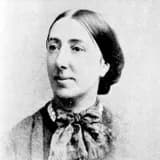
Self-published the first of 22 annual reports offering farmers practical guidance on identifying and combating crop-damaging insects.
In 1877, Eleanor Anne Ormerod self-published the first in what would become a landmark series of 22 annual "Reports on Injurious Insects and Farm Pests". These reports, distributed freely and widely to farmers, land agents, and gardeners throughout Britain, offered practical, accessible guidance on identifying destructive insect pests and implementing effective, evidence-based control measures.
The reports were revolutionary in their approach: rather than being abstract academic treatises, they were built from extensive correspondence with working farmers who sent Ormerod actual specimens and detailed accounts of infestations. She synthesized this crowdsourced data into clear, actionable advice — arguably making her one of the earliest practitioners of participatory citizen science in agricultural entomology.
The series ran for over two decades, cementing Ormerod's reputation as Britain's foremost authority on economic entomology. Her reports directly influenced agricultural practices nationwide, helping farmers reduce crop losses from pests such as the turnip fly, Hessian fly, and various moth larvae. This body of work, undertaken entirely without formal scientific position or salary, represents one of the most substantial practical contributions any individual made to nineteenth-century British agriculture, and it established the template for modern agricultural extension and pest-advisory services.