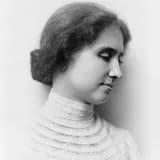
In 1915, Helen Keller co‑founds the American Foundation for Overseas Blind, later Helen Keller International.
In 1915, Helen Keller helped co‑found the American Foundation for Overseas Blind, an organization established to support World War I veterans and civilians who had been blinded in the conflict.
The initiative arose amid the unprecedented scale of wartime eye injuries and the lack of rehabilitation services for those who lost their sight. Keller, already known internationally for her advocacy on behalf of blind people, joined philanthropists and reformers in creating a body dedicated to medical care, vocational training, and social integration for the newly blind. The foundation would later evolve into Helen Keller International, expanding its mission to include global eye health and, eventually, nutrition programs.
Historically, this founding marked Keller’s transition from primarily national advocacy to institution‑building with an explicit international mandate. It reflected her conviction that blindness was not merely a medical condition but a social problem linked to poverty, war, and inequitable access to health care. In the midst of a deeply patriotic, militarized climate, Keller’s work with war‑blinded veterans also allowed her to humanize the costs of war while maintaining her long‑standing pacifist principles.
From a women’s‑history perspective, Keller’s role as a co‑founder of a major humanitarian organization challenged gender norms that limited women’s leadership in philanthropy and international affairs. The organization’s later renaming in her honor underscores how this 1915 effort helped cement her legacy not just as an inspirational individual but as a structural architect of modern blindness services worldwide.