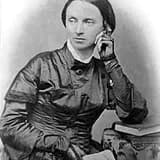
By January 1, 1868, Swisshelm remained a documented public advocate and writer in the Reconstruction era.
On January 1, 1868, archival descriptions indicate that Jane Swisshelm remained an active postwar reformer, with her papers and letters documenting continued advocacy during Reconstruction.[5]
After the Civil War, Swisshelm used The Reconstructionist and other platforms to argue for strong federal enforcement of civil rights, the protection of freedpeople, and expanded opportunities for women.[5][17] The Library of Congress notes that her correspondence and writings from 1868 reflect ongoing engagement with Radical Republican politics and criticism of any retreat from robust Reconstruction policies.[5]
She opposed lenient treatment of former Confederates and supported measures to secure voting rights and legal equality. At the same time, she continued to press for reforms affecting women’s property, custody, and political participation, insisting that true reconstruction must address gender as well as race.[4][17]
Marking 1868 as a postwar activism benchmark underscores Swisshelm’s refusal to withdraw from public life after the war. Instead, she brought the moral fervor of wartime abolitionism into the messy politics of Reconstruction, using her experience and reputation to influence debates over the future of American democracy.
For the history of Reconstruction and women’s activism, her 1868 activities show how women reformers helped shape the era’s priorities and criticized its shortcomings, even as formal political power remained in male hands.