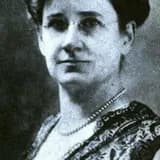
King became the first woman to argue a patent case before the U.S. Supreme Court in 1922.
In 1922, Florence King made history by becoming the first woman to argue a patent case before the Supreme Court of the United States. This was an extraordinary achievement at a time when women had only just gained the right to vote nationally (via the Nineteenth Amendment, ratified in 1920) and were still largely excluded from the highest echelons of legal practice.
Arguing before the Supreme Court required not only mastery of complex patent law but also the confidence and standing to be recognized by the Court and opposing counsel as a credible advocate, an especially daunting task for a woman entering a courtroom culture that had never before seen a woman in that role for a patent matter. King's appearance before the Court signaled a crack in one of the most formidable barriers to women's full participation in the American legal profession.
Although the exact date of her oral argument has not been preserved in the sources consulted, the year 1922 is well documented as when this milestone occurred, closely preceding her subsequent victory before the Court the following year in Crown v. Nye. Legal historians and organizations such as Banner Witcoff have highlighted this achievement in retrospectives on women's contributions to intellectual property law, cementing King's place as a trailblazer who demonstrated that women could compete at the very highest levels of American jurisprudence.