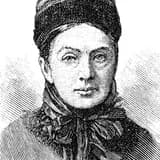
Isabella Bird became the first woman awarded an Honorary Fellowship of the Royal Scottish Geographical Society, a landmark for women in geography.
In 1890, Isabella Bird was named the first woman to receive an Honorary Fellowship of the Royal Scottish Geographical Society (RSGS), a distinction previously reserved for men of scientific and exploratory renown. This recognition came at the height of Bird's fame as a travel writer, following the publication of her acclaimed accounts of journeys through the Rocky Mountains, Hawaii, and Japan.
The RSGS, founded in 1884, was a relatively young but influential institution in the world of geographical science, and its decision to honor a woman reflected the growing, if still grudging, recognition of women's contributions to exploration and geographical knowledge. Bird's meticulous observations of terrain, climate, indigenous cultures, and natural history in her travel writings had demonstrated a rigor that geographical societies valued, even though she had no formal scientific training.
This honor predated her election to the Royal Geographical Society by two years and helped pave the way for that later, even more prominent recognition. It signaled a shifting tide in Victorian scientific institutions, which were beginning to grapple with the reality that women like Bird were producing geographically significant work despite systemic exclusion from formal academic and institutional structures.
Bird's honorary fellowship remains a landmark moment in the history of women's inclusion in geographical and scientific societies, symbolizing the gradual erosion of gender barriers in exploration-related institutions during the late nineteenth century.