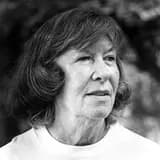
1981: Van Duyn receives a fellowship from the Academy of American Poets, adding to her growing list of national literary honors.
In 1981, Mona Van Duyn received a fellowship from the Academy of American Poets, further affirming her status as a central figure in late‑20th‑century American poetry.[1][4][9] Academy fellowships support poets of exceptional merit, and Van Duyn’s award reflected a broad consensus about the importance of her work.
By this time she had already accumulated major honors, including the Bollingen Prize, National Book Award, Guggenheim Fellowship, and Loines Prize, and she was widely read for collections like Merciful Disguises and Letters from a Father, and Other Poems.[2][4] The fellowship offered financial support and symbolic recognition, strengthening her ability to continue writing and teaching.
In 1985 she would be elected a Chancellor of the Academy of American Poets, a leadership role in one of the most influential poetry organizations in the U.S.[1][4] The 1981 fellowship was part of the institutional trajectory that paved the way for that election and for her eventual appointment as U.S. Poet Laureate. In the broader context of women’s history, the award illustrates how women poets increasingly occupied not only the recipient side of honors systems but also the governing and curatorial structures of literary institutions.