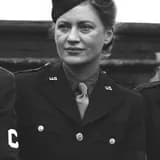
By early 1930, Lee Miller co‑runs a New York photography studio with her brother, establishing herself as a professional photographer and business owner.
By 1 January 1930, Lee Miller had returned from Paris to New York and was co‑running a professional photography studio with her brother John “Antoine” Miller. Dating the milestone to the start of 1930 captures the period when she shifted from being predominantly known as a model to being recognized as a working photographer in her own right.
In this studio, Miller produced fashion, portrait, and advertising images for magazines and commercial clients, deploying techniques she had learned in Paris alongside her own evolving visual style. Operating a studio required not just artistic talent but business acumen: she managed clients, supervised shoots, and controlled the technical workflow from exposure through printing. For a woman at that time, assuming such a role in the New York photographic market was unusual and signaled a break with gendered expectations that typically kept women in front of the camera or in subordinate darkroom roles.
Historically, this 1930 studio period demonstrates how Miller translated avant‑garde training into mainstream visual culture. It created an economic base for her artistic independence and provided a platform from which she could negotiate work on her own terms. Her success as a studio owner reinforced the idea that women could occupy entrepreneurial and creative leadership positions in the commercial arts, prefiguring her later authority as a war correspondent and as a central figure in British Surrealist circles.