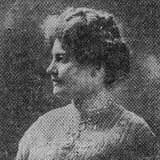
Appointed the first woman notary in Oregon by George E. Chamberlain, breaking gender barriers in the state’s legal‑administrative work.
In 1895, George E. Chamberlain, then a prominent Oregon lawyer and future governor and U.S. senator, appointed Carolyn B. Shelton (still known as Carrie Bertha Skiff) as the first woman notary in the state of Oregon. While the exact calendar day is not documented in surviving records, the year is firmly attested.
At a time when women were broadly excluded from legal and administrative authority, notarial offices were significant gatekeeping roles in commerce and law. As a notary, Shelton was empowered to administer oaths, witness and authenticate documents, and provide trusted services to courts and businesses—functions that were almost entirely monopolized by men in the 1890s. Her appointment required Chamberlain to push against prevailing assumptions about women’s competence and propriety in legal work.
This milestone marked an early professional barrier-breaking first for Oregon women. It validated women’s participation in the formal infrastructure of law and governance years before they gained suffrage in the state (Oregon women would not win the right to vote until 1912). Shelton’s performance as notary helped establish her reputation for meticulous work, discretion, and reliability, qualities that later led Chamberlain to entrust her with far greater responsibility as his private secretary and, eventually, as acting governor.
Though less celebrated than her gubernatorial weekend, this 1895 first quietly expanded the boundaries of women’s work in Oregon’s legal-administrative sphere, contributing to the broader, incremental normalization of women in professional public roles in the American West.