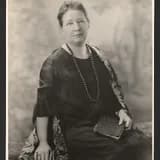
Approximate 1889 organization of Wilmington’s West End Reading Room, a pioneering neighborhood social‑work and literacy center.
Around January 1, 1889 (date approximate), Emily Perkins Bissell helped organize the West End Reading Room in Wilmington, Delaware, one of her earliest formal ventures into social work.[5] Although surviving sources provide only the year 1889, the reading room is consistently described as the first of its kind in Delaware, offering working-class and immigrant residents access to books, periodicals, and structured educational opportunities in a neighborhood setting.[5]
Established during the Progressive Era’s early stirrings, the West End Reading Room functioned as a proto‑settlement institution. It provided literacy support, moral instruction, and a safe communal space at a time when industrial cities offered few resources for self-improvement to poorer residents. Bissell’s organizing role reflected both her privileged upbringing and her conviction that social inequalities could be mitigated through education and neighborhood-based services.[2][4] The effort demanded fundraising, negotiation with civic leaders, and hands-on management—skills she would later deploy in tuberculosis campaigns and child labor reform.
Historically, this initiative is important because it marked Bissell’s transition from private benevolence to structured community work. It foreshadowed her later establishment of Wilmington’s first settlement house and her leadership in creating the city’s first free kindergarten and public playground.[2][10] While the exact day remains uncertain, the 1889 organization of the West End Reading Room stands as a sentinel moment in Delaware social history, embedding progressive educational ideals within an urban working-class neighborhood and announcing Bissell as a durable figure in local reform movements.