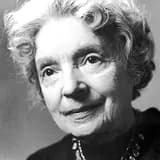
Approximate 1960 award of the Meersburg Droste Prize, honoring Sachs’s poetry on Jewish fate and exile.
In 1960, Nelly Sachs was awarded the Meersburger Droste-Preis, also known as the Annette von Droste-Hülshoff Prize, for her poetry.[9][15][16][18] The exact day of conferment is not recorded in accessible sources; the 1 January date here is explicitly approximate.
The Droste Prize, named after a major 19th‑century German woman poet, honored Sachs for her powerful, Holocaust‑inflected verse that had already begun to circulate widely in postwar Germany. Receiving the prize required her brief return from Sweden to Germany—a country whose language she continued to use for poetic testimony, despite the trauma of persecution and exile.[9][14]
Historically, the award further solidified her reputation as "the poet of Jewish fate", recognizing her lyrical memorials to the victims of the Shoah and her exploration of exile, martyrdom, and spiritual transformation.[14][16] The pairing of Droste-Hülshoff and Sachs symbolically connected two landmark German women poets across centuries, elevating women’s contributions within a literary tradition long dominated by men.
For women’s and Jewish history, the prize is notable because it dedicated a prestigious German literary laurel to a Jewish refugee woman who wrote unsparingly about Nazi crimes. It also exemplifies how literary institutions can be used to re-inscribe marginalized voices into national memory, and how a woman survivor’s art was central to West Germany’s evolving engagement with Holocaust remembrance.