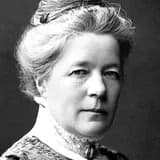
In 1914, Selma Lagerlöf was elected the first female member of the Swedish Academy, breaking its all-male tradition.
In 1914, Selma Lagerlöf was elected to the Swedish Academy, becoming its first female member since the institution’s founding in 1786. The Academy, responsible for major cultural decisions and later for selecting Nobel laureates in literature, had long been a bastion of male authority. Lagerlöf’s election broke a 128‑year tradition of exclusively male membership. While the exact date of the vote is not easily traceable in accessible sources, the year marks a critical institutional change.
Lagerlöf’s admission signified more than personal honor. It affirmed her status as a leading national author whose work shaped Swedish identity, and it also served as a precedent for women’s participation in elite cultural bodies. At the time, Swedish women were still campaigning for full political rights, and professional opportunities remained limited. The sight of a woman taking a seat among the country’s most influential literary figures carried symbolic weight, challenging assumptions about women’s intellectual authority.
Her role in the Academy allowed her to influence literary policy and recognition, including discussions around the Nobel Prize. It broadened the institution’s perspective and helped normalize the idea that women could both produce literature of the highest caliber and take part in its evaluation. In women’s history, Lagerlöf’s 1914 election stands as a landmark in the gradual inclusion of women in cultural governance, paving the way for later generations of female academics, critics, and writers to enter similar institutions.