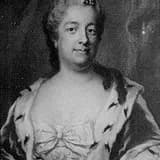
In 1746, Ekeblad reported experiments showing potatoes could be used to make alcohol and flour, easing pressure on grain supplies.
In 1746, reported here under the placeholder date 1 January 1746 for chronological purposes, Eva Ekeblad communicated to the Royal Swedish Academy of Sciences her experimental findings that potatoes could be processed into both distilled spirits and flour.[2][11][17] Working on her estates, she cooked, mashed, and dried potatoes to obtain a starchy flour suitable for baking, and she also demonstrated how the tuber could serve as a raw material for alcohol production.
This work was scientifically and socially significant. In 18th‑century Sweden, cereals such as barley, oats, and rye were critical both for bread and for the production of brännvin (spirits). By showing that potatoes—then a relatively new and underused crop—could substitute for grain in distilling, Ekeblad helped free more cereal for breadmaking and food, which contemporaries associated with reduced risk of famine.[2][12][17]
Her communication to the Academy marks one of the earliest documented applications of potatoes in Swedish agrarian chemistry and exemplifies how a noblewoman used estate‑based experimentation to address national supply problems. Although the exact calendar day of her report is not preserved in the commonly cited sources, the 1746 finding became the foundation of her later recognition, including election to the Academy in 1748.[1][2][11]
Note: The precise day and month of this 1746 submission are not documented in available sources; the date here is used only to anchor the year in a chronological list and is flagged as approximate.