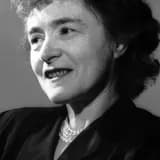
Gerty and Carl Cori isolated glucose-1-phosphate, a key intermediate in glycogen metabolism later named the 'Cori ester.'
Around 1936, Gerty and Carl Cori achieved a major biochemical breakthrough with the isolation of glucose-1-phosphate, a compound that came to be known eponymously as the Cori ester. This molecule was identified as a crucial intermediate in the enzymatic breakdown and synthesis of glycogen, the storage form of glucose in animal tissues.
The isolation of this compound allowed the Coris to map, in unprecedented biochemical detail, the stepwise enzymatic reactions governing how glycogen is broken down into glucose for energy (glycogenolysis) and how glucose is reassembled into glycogen for storage (glycogenesis). This work was central to their eventual elucidation of the complete enzymatic pathway of carbohydrate metabolism.
The precise month and day of this discovery within 1936 are not specified in the major biographical or scientific literature, but its scientific importance is substantial: identification of the Cori ester enabled subsequent discovery of the enzyme phosphorylase and its role in glycogen metabolism, directly setting the stage for the Nobel Prize-winning research recognized in 1947. This finding remains a landmark in biochemistry, foundational to modern understanding of cellular energy metabolism and metabolic disease, including glycogen storage disorders and diabetes.