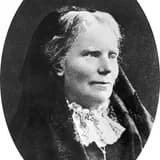
Under the Medical Act 1858, Blackwell became the first woman entered on the General Medical Council's official medical register in Britain.
In 1858, under a clause of Britain's newly passed Medical Act 1858, which recognized physicians holding foreign degrees who were already practicing in the United Kingdom, Elizabeth Blackwell was entered onto the General Medical Council's official Medical Register. This made her the first woman ever listed on this register, a landmark moment for the legal and professional recognition of women physicians in Britain.
The Medical Act of 1858 was designed primarily to standardize and regulate medical practice throughout the United Kingdom, establishing the General Medical Council to oversee qualifications and maintain a register of legitimate practitioners. Blackwell's inclusion exploited a narrow window: because she held a legitimate foreign (American) medical degree and had already been practicing, she qualified under the transitional provisions before the loophole was closed to future female applicants.
This registration provided crucial legal legitimacy to Blackwell's medical practice in Britain and served as a powerful symbol that women could be recognized as professionally equal to male physicians under the law. Her registration is frequently cited alongside her American achievements as one of the twin pillars of her historic career, establishing her as a transatlantic pioneer for women in medicine.
The precedent set by her listing kept alive the possibility of formal recognition for women physicians in Britain, even though subsequent legislative changes made it far more difficult for other women to follow the same path for several more decades.