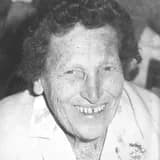
Graduated with distinction in physics from the University of Cape Town, earning a master’s degree and beginning her scientific career.
In 1929, Tikvah Alper graduated with distinction in physics from the University of Cape Town, earning her master’s degree and formally entering the scientific profession. This achievement was historically important because it placed a woman from South Africa, and from a Jewish refugee family background, into a field that remained strongly male-dominated in the interwar period.
Her university training provided the foundation for the next stage of her career, including doctoral study in Berlin under Lise Meitner, one of the era’s leading nuclear physicists. Alper’s early academic success was not just a personal milestone; it reflected the difficult but real possibility of women gaining advanced scientific credentials even when professional pathways remained restricted. The distinction with which she graduated signaled both exceptional ability and determination.
That same educational base would later support her work in radiobiology and in the study of the biological effects of radiation. In the context of the late 1920s, when women scientists still faced structural exclusion from laboratories, appointments, and professional recognition, Alper’s graduation represented a crucial threshold. It marked the beginning of a career that would eventually contribute to major debates about radiation, biology, and the nature of infectious agents.