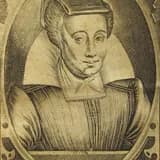
In 1609 Bourgeois published the first volume of Observations diverses in Paris, the first printed obstetrics/medical text authored by a woman in France.
In 1609, Louise Bourgeois published the first volume of her landmark work, Observations diverses sur la stérilité, perte de fruict, foecondité, accouchements et maladies des femmes et enfants nouveaux naiz, in Paris. This publication is widely recognized as the first printed medical text authored by a woman in France and the first obstetrics book published by a woman in Western history.
Drawing directly on her extensive firsthand experience, including her celebrated delivery of six children of Marie de Medici, Bourgeois compiled detailed case observations covering infertility, miscarriage, difficult births, and postpartum complications in mothers and newborns. The work broke sharply from the tradition of medical texts authored exclusively by university-trained male physicians, who had rarely, if ever, attended actual childbirths themselves.
The publication was revolutionary not only for its authorship but for its empirical, case-based approach, grounded in real clinical practice rather than classical medical theory. It provided practical guidance that reflected the lived, embodied knowledge unique to a practicing midwife, a perspective entirely absent from the male-authored medical literature of the period.
The book's impact extended across Europe, eventually being translated into Dutch, German, and English, and it remained influential for over a century. Bourgeois's achievement opened a path, however narrow, for the participation of women in written medical discourse, challenging the near-total male monopoly on published medical authority in early modern Europe.