← All women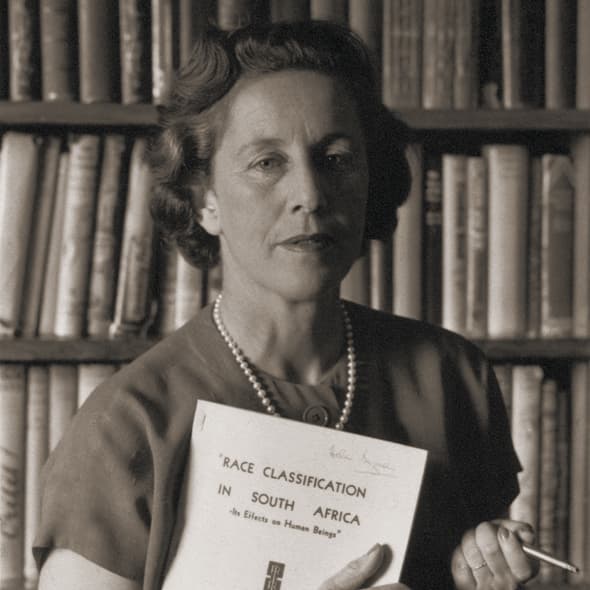
South African · Politics · Activism
Helen Suzman
November 7, 1917 – January 1, 2009
Early Life and Background
Helen Suzman was born on November 7, 1917, in Germiston, a small town near Johannesburg in South Africa. Her parents, Samuel and Frieda Gavronsky, were Jewish immigrants from Lithuania. This immigrant heritage, coupled with the prevalent discrimination she witnessed as a child, influenced her to develop a keen awareness of social injustices. She attended the University of the Witwatersrand, where she completed a degree in Commerce before marrying Dr. Moses Suzman in 1937. The two had two daughters together, with Helen balancing her domestic responsibilities and academic pursuits, eventually returning to her former university as a lecturer in economic history.
Career Beginnings and Development
Suzman's political career began when she joined the United Party in 1953. However, her dissatisfaction with their tepid policies led her to co-found the Progressive Party in 1959. Suzman became the sole Parliamentary representative for the Progressive Party, serving as a voice of dissent from within the apartheid government. From 1961 to 1974, she was the only member of the Progressive Party in Parliament, providing a powerful and singular voice against apartheid policies, including racial segregation laws, and advocating for equal voting rights and civil liberties.
Major Works and Achievements
Suzman's relentless advocacy was not confined to parliamentary debates; she was active in inspecting prisons, notably ensuring humane treatment for political prisoners, including Nelson Mandela. Her parliamentary work often involved cross-questioning apartheid government officials and calling out policies that denied black South Africans their fundamental rights.
Awards, Honors, and Recognition
Helen Suzman received numerous awards throughout her career in recognition of her tireless fight for human rights and justice. She was made an honorary Dame Commander of the Order of the British Empire and received the United Nations Human Rights Award. These accolades underscored her importance as a global figure in the fight against racial injustice.
Personal Life
Her marriage to Dr. Moses Suzman lasted until his death in 1994. Her personal life was marked by a commitment to her family and faith. She reconciled her roles as a mother and a public figure adeptly, maintaining a private life despite her public duties.
Legacy and Historical Impact
Helen Suzman's legacy is profound in both South Africa and internationally. As one of the most significant anti-apartheid figures within the white community, her role was crucial in highlighting the injustices of apartheid to the global stage. After her retirement from Parliament in 1989, she continued to influence South African politics through her involvement with the Helen Suzman Foundation, promoting liberal democracy and tolerance.
Later Life and Death
Though she retired from politics in 1989, Suzman remained active in public discourse until her death on January 1, 2009. Her contributions left a lasting imprint on South Africa, representing hope and perseverance against oppressive systems.
Dated achievements
2 indexed.
- Nov071917Politics
Birth of Helen Suzman
Helen Suzman was born on November 7, 1917, in Germiston, South Africa.
View details Helen Suzman - Britannica - Jan012009