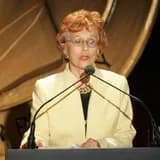
Reports from Vietnam, becoming the first woman network TV correspondent to cover the war from the field.
In 1966, recorded here as January 1 for year-level precision, Marlene Sanders traveled to Vietnam as an ABC News correspondent, becoming the first woman television correspondent from a U.S. network to report on the Vietnam War from the field. She filed dispatches directly from a conflict zone that had largely been covered by male reporters.
Sanders’ field reporting required navigating military restrictions, logistical risks, and entrenched gender biases that questioned whether women should be present near combat. Her stories brought home vivid accounts of the war’s human cost and political complexity, contributing to public understanding at a moment when television coverage was reshaping American opinion about Vietnam.
This breakthrough redefined assumptions about women’s suitability for war reporting. By demonstrating that a woman could operate effectively in hostile environments, handle fast‑moving news, and convey difficult realities to a national audience, Sanders expanded the range of legitimate assignments for women in television news.
Her Vietnam coverage established a precedent that later opened doors for other women journalists covering conflicts from El Salvador to Iraq and Afghanistan. It also fit within Sanders’ broader commitment to serious, public‑interest reporting, showing that gender should not limit correspondents to domestic or feature topics. The date symbolizes a turning point in both her career and the evolution of women’s roles in network foreign reporting.