Ariadne’s defining mythic act: she helps Theseus escape the Labyrinth after the Minotaur is slain, making her one of antiquity’s most enduring female figures.
Ariadne enters the best-known version of her myth as the Cretan princess who helps Theseus navigate the Labyrinth and defeat the Minotaur. In the literary tradition, this is not merely a rescue scene but the moment that makes Ariadne one of antiquity’s most enduring female figures: she becomes the helper whose intelligence, courage, and loyalty alter the outcome of a heroic quest.
Her act mattered because it shifts the myth from brute strength to strategy and knowledge. The thread, cord, or jeweled clue associated with Ariadne became a lasting symbol for guidance through confusion and danger. In later Greek and Roman retellings, her role also made visible the vulnerability of women whose choices could change history yet leave them exposed to abandonment and loss.
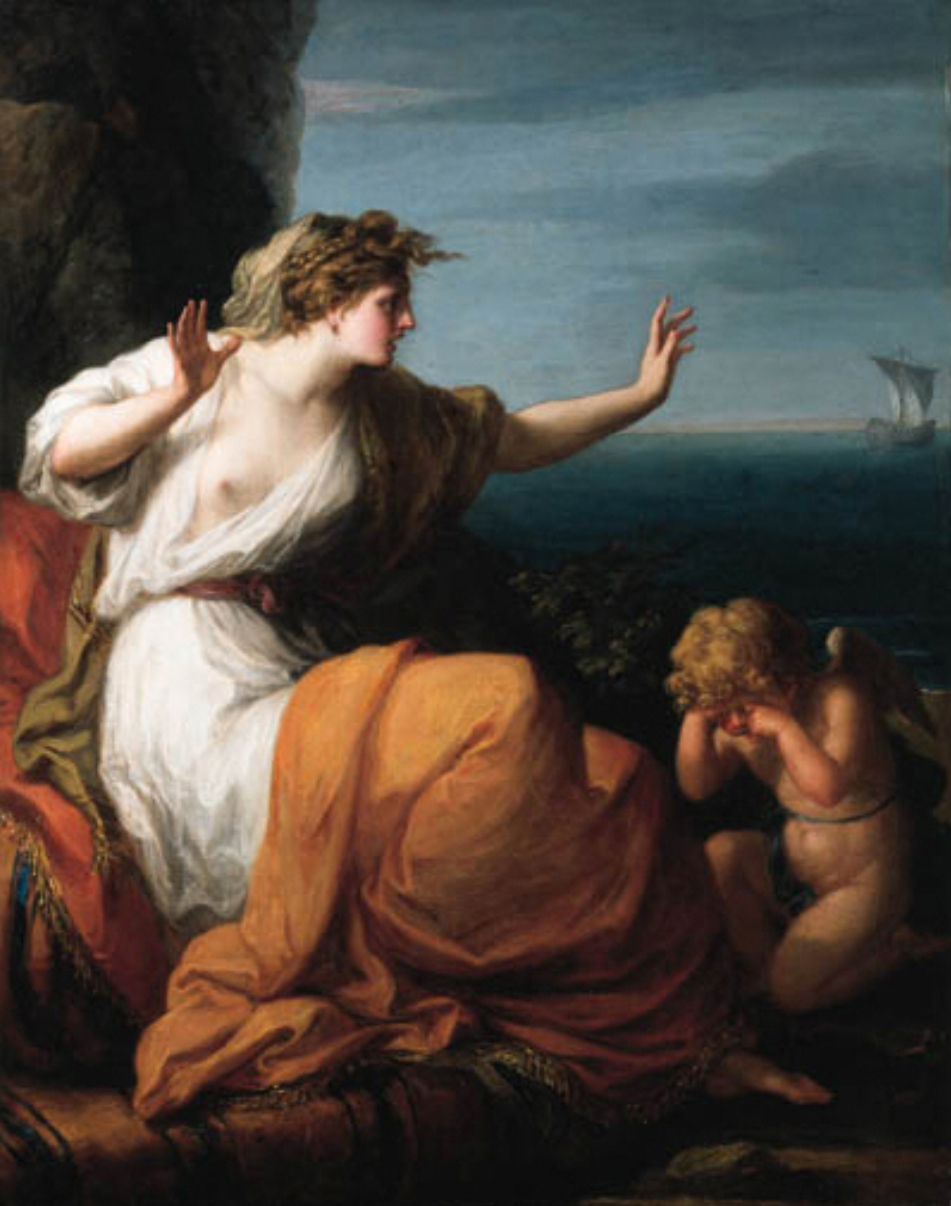
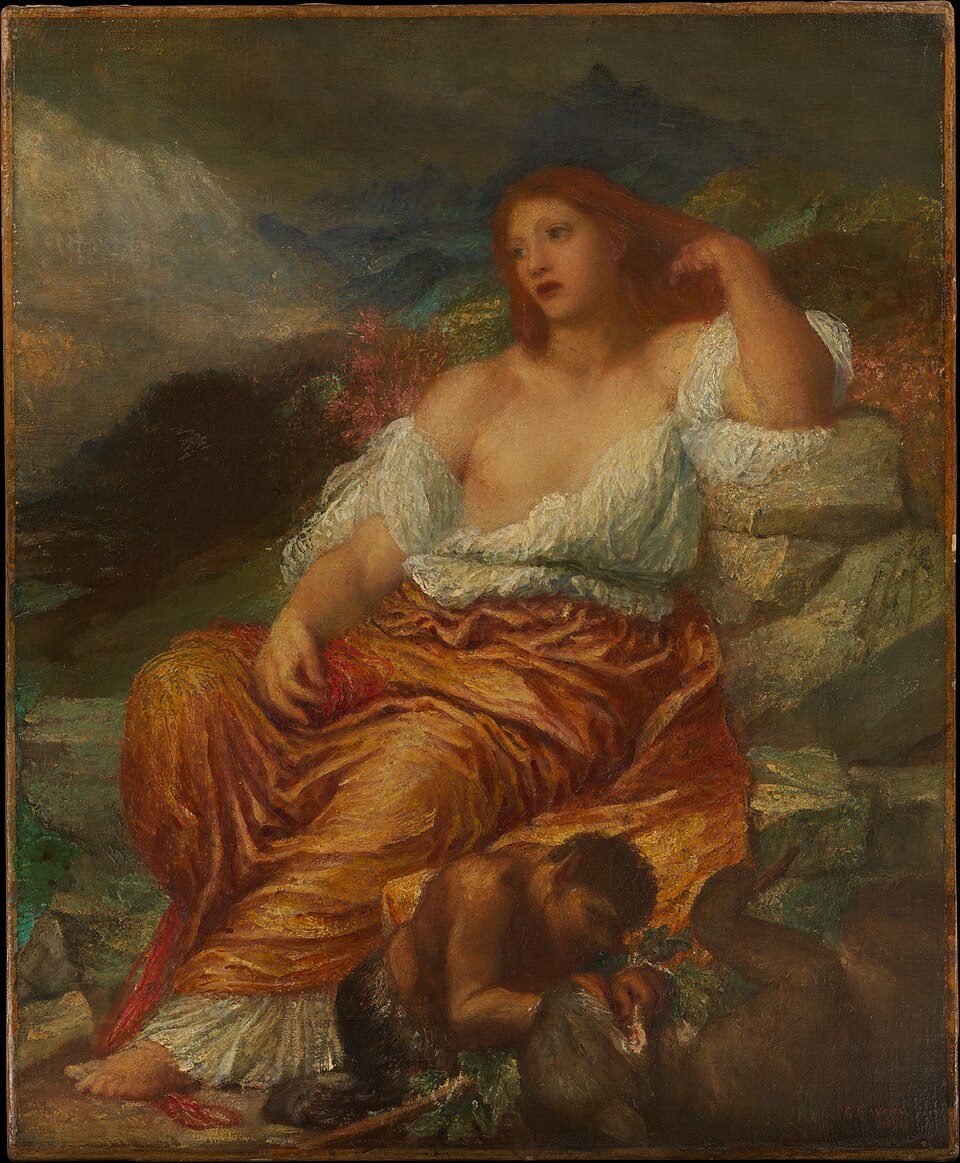
Although Ariadne is mythological rather than historical, the story reflects Bronze Age and classical concerns about kingship, exile, marriage, and divine favor. Her rescue of Theseus has remained central to interpretations of her legacy in literature, visual art, and opera, where she is often recast as both an abandoned woman and a figure of transformative wisdom.
Images