← All women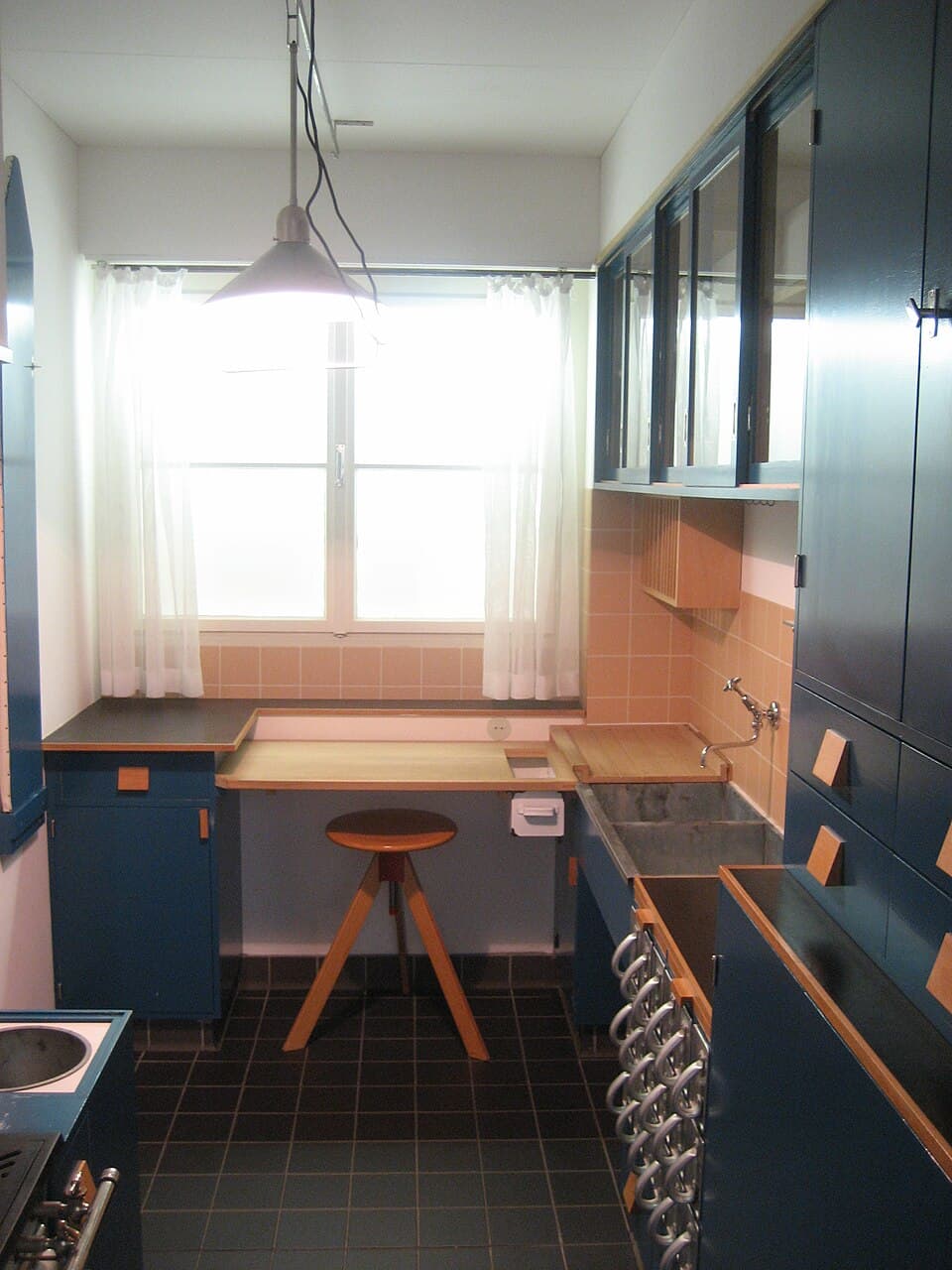
Austrian · Arts · Activism
Grete Schutte-Lihotzky
January 23, 1897 – January 18, 2000
Early Life and Background
Margarete Schütte-Lihotzky was born on January 23, 1897, in Vienna, Austria. She was the daughter of Julie Bode and her husband, whose career in civil service influenced Margarete towards planning and efficiency. Her education in architecture began at the University of Applied Arts Vienna, where she was one of the first female students. Her formative years were marked by the influences of the socialist movements and avant-garde architecture of the early 20th century.
Career Beginnings and Development
Schütte-Lihotzky's career began in post-World War I Austria, where she worked on social housing projects under the guidance of architect Adolf Loos. Her early work was deeply rooted in the needs of post-war social structures, where housing was in high demand. In 1926, she moved to Frankfurt, Germany, which became a pivotal point in her career.
Major Works and Accomplishments
Her most famous contribution, the Frankfurt Kitchen, was designed in 1926-1927 as part of a public housing project led by architect Ernst May. The kitchen was revolutionary for its time, emphasizing efficiency and ergonomic design, setting the standard for modern kitchens. It was a precursor to the modern concept of fitted kitchens and influenced future generations of home design.
Besides the Frankfurt Kitchen, she contributed to numerous social housing projects across Europe, integrating functional design with aesthetic considerations in urban planning.
Awards, Honors, and Recognition
Her contributions to architecture and society earned her various accolades, including recognition from architectural institutions and social organizations. Despite working under Nazi scrutiny during World War II, her post-war work continued to reflect her enduring commitment to functionalism in design.
Personal Life
Margarete married Wilhelm Schütte, an architect she met during her time in Frankfurt. The couple often collaborated on architectural projects. Despite personal and professional challenges, Margarete remained a dedicated advocate for social change through architecture.
Legacy and Historical Impact
Schütte-Lihotzky's work left an indelible mark on both architecture and society. Her advocacy for women in architecture and her efficient, human-centered designs continue to influence architectural philosophy and practice today. Her role in developing efficient social housing remains a touchstone for modern urban planners.
Later Life and Death
After WWII, Schütte-Lihotzky returned to Vienna, where she continued to work on projects and write about architecture. She remained active in architectural circles and social causes until her death on January 18, 2000. Today, she is celebrated as a pioneering woman in architecture, whose innovative designs and social commitment remain influential.
Dated achievements
3 indexed.
- Jan231897Arts
Birth of Margarete Schütte-Lihotzky
Margarete Schütte-Lihotzky was born on January 23, 1897, in Vienna, Austria.
View details Margarete Schütte-Lihotzky - Wikipedia - Jan011926Arts
Design of the Frankfurt Kitchen
In 1926, Margarete Schütte-Lihotzky designed the Frankfurt Kitchen, revolutionizing kitchen efficiency.