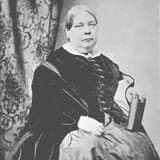
Hunt publicly protested paying property taxes while being denied the vote, becoming recognized as the first Massachusetts woman to make this protest.
In 1852, Harriot Hunt lodged a formal, public protest with the Boston tax collector against being required to pay property taxes while being denied any right to vote or otherwise participate in the government that levied them. Historians credit her as the first woman in Massachusetts to make such a protest publicly, invoking the revolutionary-era principle of "no taxation without representation" on behalf of women's political rights.
Hunt's protest was a deliberate rhetorical and political strategy: by highlighting the contradiction of taxing property-owning women as full citizens while denying them the franchise, she exposed the hypocrisy of a system that claimed to be built on consent of the governed. Her written protest was read into the public record and widely discussed among reform circles, helping to sharpen an argument that would recur throughout the 19th-century suffrage movement, echoed later by figures such as Susan B. Anthony and Lucy Stone.
This act situates Hunt not only as a medical pioneer but as an early and articulate voice in the organized women's rights movement, linking her professional grievances about exclusion from medical education to a broader critique of women's exclusion from full citizenship. The protest remains a frequently cited early example of tax resistance as a suffrage tactic in American history.