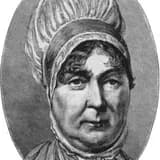
Fry began regular visits to female prisoners at Newgate, confronting horrific overcrowding and squalor, launching her prison-reform career.
Around the beginning of 1813, Elizabeth Fry, encouraged by fellow Quakers, began visiting the women's section of Newgate Prison in London. What she encountered shocked her: hundreds of women and children crammed into filthy, overcrowded cells with no separation between the convicted and the merely accused, no provision for basic hygiene, and rampant disease, violence, and despair.
Rather than turning away, Fry returned repeatedly, bringing clean clothing, food, and above all a sense of order and dignity to the women's quarters. She read scripture with the prisoners, organized informal schooling for their children who were incarcerated alongside them, and began to develop the philosophy that would define her life's work: that even society's most marginalized women could be reformed through education, useful occupation, and compassionate treatment rather than sheer punitive cruelty.
This was the seminal experience from which her entire reform career flowed. Her visits to Newgate transformed her from a devout but private Quaker minister into a public reformer willing to challenge one of the most entrenched and neglected institutions of her era. The precise day of her first visit is not recorded, but the effect was immediate and lasting, setting in motion decades of advocacy that would reshape the treatment of women in British prisons and influence penal reform movements internationally.