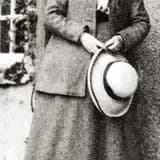
Potter registered a Peter Rabbit soft toy at the British Patent Office, making him the first patented fictional-character merchandise.
In early 1903, Beatrix Potter designed and registered a stuffed Peter Rabbit toy at the British Patent Office, making Peter Rabbit the first fictional character ever to be made into a patented soft toy. This act is widely credited as the beginning of modern literary and character merchandising.
Potter was unusually savvy about protecting and monetizing her creation: beyond the toy, she went on to license Peter Rabbit board games, wallpaper, china, and other spin-off products, personally overseeing much of the design and quality control. This was a remarkable feat of business foresight for a woman in Edwardian England, at a time when few authors—male or female—actively managed the commercial exploitation of their fictional characters.
Peter Rabbit is now recognized as the oldest licensed literary character still in commercial production, with a merchandising legacy that spans over a century and includes millions of toys, books, and products sold worldwide. Potter's pioneering approach to character licensing anticipated practices that would later become standard across the entertainment and publishing industries, from Disney to contemporary franchise merchandising.