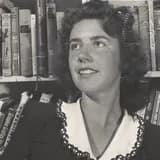
Wolcott began her landmark 1938–1942 FSA project, ultimately producing over 9,000 photographs documenting rural poverty and Depression-era American life.
Beginning in 1938, Marion Post Wolcott embarked on what would become the defining body of work of her career: an extensive, multi-year documentary photography project for the Farm Security Administration. Over the course of this project, which extended through 1942, she produced more than 9,000 photographs capturing the lives of sharecroppers, migrant workers, rural families, and small-town communities across the American South, Appalachia, and beyond.
Her images went far beyond simple documentation; they conveyed nuanced social commentary on issues of race, poverty, gender, and the New Deal's uneven impact on rural America. She often traveled alone, navigating dangerous roads, resistant local officials, and skeptical communities to capture authentic scenes of daily life, labor, and hardship.
This project situates Wolcott among the most prolific and important documentary photographers of the era, alongside figures like Dorothea Lange and Walker Evans. Her photographs remain part of the Library of Congress's FSA/OWI collection and are widely reproduced in books, exhibitions, and historical studies of the Great Depression. The exact starting day within 1938 is not documented, but the year is confirmed by multiple sources as the beginning of this transformative body of work.