← All women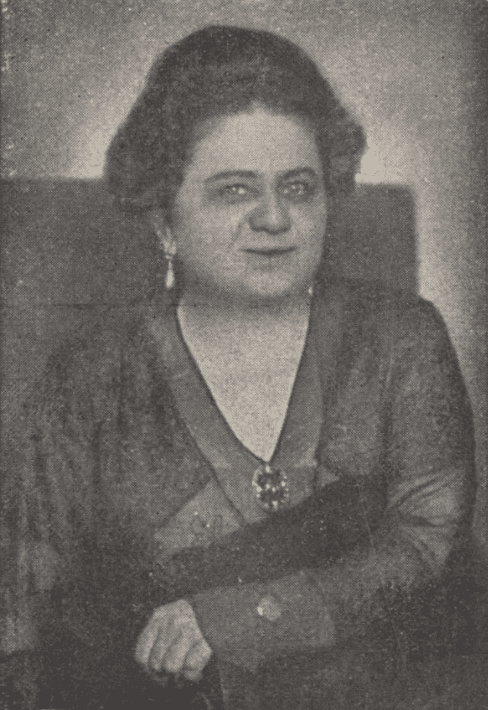
Croatian · Literature · Activism
Marija Juric Zagorka
March 2, 1873 – November 29, 1957
Early Life and Background
Marija Jurić Zagorka was born on March 2, 1873, in the village of Negovec, near Ivanić-Grad, Croatia, then part of the Austro-Hungarian Empire. She was the eldest of six children in a family of modest means. Her father, a manager on a feudal estate, and her mother, a homemaker, emphasized education, but as a girl, Marija's formal education was limited. Despite societal expectations, she was intellectually curious and a voracious reader, with a keen interest in history and politics.
Career Beginnings and Development
Marija's career began as she moved to Zagorje and then Zagreb, where she became the first female journalist in Croatia, a remarkable achievement in a male-dominated field. Facing considerable discrimination, she wrote under the pseudonym "Zagorka." Her perseverance paid off, and she eventually secured a position with the newspaper Obzor, where she became known for her reports on political and social issues.
Major Works and Accomplishments
Zagorka is best known for her serialized novels, which became immensely popular, particularly during the early 20th century. Her works often featured strong women characters and infused humor, adventure, and social critique. "The Witch of Gric" series, one of her most famous works, intertwined historical fact with fiction, offering commentary on Croatian history and society. Zagorka defied the literary norms of her time, refusing to succumb to the pressures of traditionalism. She was also a vocal advocate for women's rights, founding a women's magazine, Ženski List, and organizing the Croatian women's movement.
Awards, Honors, and Recognition
Zagorka's contributions to Croatian literature and journalism have been recognized long after her death. She remains celebrated as a cultural icon in Croatia, and her works continue to be read widely, though her genius was often overlooked during her lifetime because of her gender.
Personal Life
Zagorka's personal life included a brief marriage to a Hungarian railway official, which ended quickly due to her husband's traditional views clashing with her progressive ideas. She returned to Zagreb after her divorce, focusing on her writing and activism.
Legacy and Historical Impact
Zagorka's impact extends beyond her literary success. As a pioneer for women in journalism in Croatia, she paved the way for future generations of women writers and journalists. Her legacy is celebrated annually in Croatia through various cultural events and has been the subject of extensive academic study.
Later Life and Death
In her later years, despite enduring financial difficulties and health issues, Zagorka continued to write until her death on November 29, 1957, in Zagreb. Her resilience and commitment to literature and social change left an indelible mark on Croatian culture.
Dated achievements
4 indexed.
- Mar021873Literature
Birth of Marija Jurić Zagorka in Negovec, Croatia
Marija Jurić Zagorka was born on March 2, 1873, in Negovec, near Vrbovec, in what was then the Kingdom of Croatia-Slavonia within Austria-Hungary.
View details Marija Jurić Zagorka - Wikipedia - Jan011896Literature
Becomes first female journalist in Croatia at Obzor newspaper
Zagorka began working at the newspaper Obzor in Zagreb, becoming the first professional female journalist in Croatia.