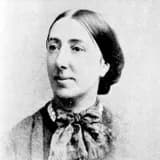
Ormerod became the first woman elected a Fellow of the (Royal) Meteorological Society, a pioneering recognition for a woman in science.
In 1878, Eleanor Anne Ormerod achieved a significant milestone for women in British science: she became the first woman elected a Fellow of the Meteorological Society (later the Royal Meteorological Society). This recognition acknowledged both her rigorous observational work — since weather patterns were intimately connected to insect life cycles and agricultural pest outbreaks — and her broader standing as a serious scientific researcher.
At the time, scientific societies in Britain were overwhelmingly male institutions, with women typically barred from fellowship regardless of their expertise or contributions. Ormerod's election broke this barrier, reflecting the esteem in which her meticulous, data-driven approach to entomology and climate correlation was held by her scientific peers.
This fellowship was emblematic of the broader pattern of Ormerod's career: she consistently earned professional recognition through the sheer quality and utility of her work, despite lacking the university education or institutional affiliations available to her male contemporaries. Her election paved a symbolic path for future generations of women scientists seeking formal recognition within learned societies, demonstrating that rigorous self-taught expertise could overcome the era's deep-seated exclusion of women from professional scientific bodies.