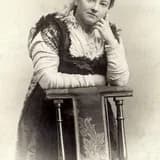
Schreiner published The Story of an African Farm under the pseudonym 'Ralph Iron', a landmark work considered one of the first major feminist novels in English.
In 1883, Olive Schreiner published The Story of an African Farm in London under the pseudonym Ralph Iron, a male name chosen to ensure the serious literary work by a woman writer would be taken seriously by critics and readers of the Victorian era. The novel, set on an isolated Karoo farm in South Africa, broke sharply with conventions of romantic fiction, exploring themes of religious doubt, colonial isolation, and above all the constrained lives of women through its heroine Lyndall, who rejects marriage and demands independence and education for women.
The book became an immediate sensation in Britain, running through multiple editions and establishing Schreiner as a major literary figure almost overnight. It is widely regarded by literary historians as one of the first major feminist novels in the English language and one of the earliest significant works of South African literature written in English, predating the more organised feminist movements of the following decades.
Its unflinching depiction of a woman's intellectual and emotional struggle against patriarchal expectation influenced generations of writers and early feminist thinkers, including figures in the suffrage movement. The novel's psychological realism and its setting in the colonial landscape of the Cape also marked a significant departure from prevailing literary treatments of Africa, giving voice to the interior lives of colonial women in ways rarely attempted before.