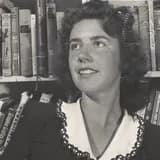
In 1938 Marion Post Wolcott joined the FSA's Historical Section, beginning the most significant documentary photography phase of her career.
In 1938, Marion Post Wolcott joined the Farm Security Administration (FSA) Historical Section, led by renowned photographer and administrator Roy Stryker. This unit was tasked with documenting rural poverty, migrant labor, and the impact of New Deal programs across the United States during the Great Depression.
Her recruitment came after Stryker was impressed by her photojournalism work for newspapers and magazines, including her coverage of social issues that demonstrated both technical skill and empathy for her subjects. Joining the FSA placed her among an elite group of photographers — including Dorothea Lange, Walker Evans, and Gordon Parks — whose combined output became one of the most important visual records of Depression-era America.
This appointment marked a dramatic shift in her career trajectory, moving her from freelance and newspaper photography into government-sponsored documentary work with a broad national mandate. It gave her the resources and mission to travel extensively through the South, Appalachia, and other underserved regions, capturing images that would shape public understanding of American poverty and resilience for generations. The exact starting day of her employment is not documented in available sources, but 1938 is consistently cited as the beginning of this transformative chapter.