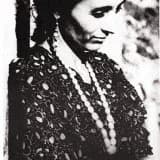
Papusza composed "Tears of Blood" (Ratfale jasfa), a searing narrative poem recounting the massacre and persecution of Roma during WWII.
In 1952, Papusza composed one of her most historically significant works: Tears of Blood (Romani: Ratfale jasfa), a long narrative poem bearing witness to the horrors experienced by Roma communities during the Nazi occupation of Poland and the broader Roma Holocaust, known as the Porajmos. The poem recounts massacres, forced flight through forests and marshes, starvation, and the constant terror of death faced by Roma families hiding from German forces.
This work stands among the earliest literary testimonies of the Roma Holocaust composed by a Roma author, predating much of the later scholarly and literary attention to this genocide, which for decades received far less public acknowledgment than the Holocaust of European Jews. Papusza's own family had endured brutal wartime persecution, hiding in forests in the Volhynia and Lublin regions to escape German extermination squads, and her poem draws directly on this lived trauma.
Historically, Tears of Blood is significant not only as a piece of literature but as a rare primary-source account, in verse, of atrocities that were largely undocumented by Roma voices at the time. Its unflinching imagery and emotional intensity have made it a touchstone text in Roma cultural memory and in scholarship on the Roma genocide, cementing Papusza's role as both poet and historical witness.