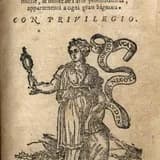
Throughout the 1600s, Cortese's Secreti continued to be reprinted, spreading experimental know-how in medicine, cosmetics, and metallurgy.
Over the course of the seventeenth century, I secreti della signora Isabella Cortese continued to find eager readers and printers, undergoing multiple reprintings across Italy, primarily in Venice. This sustained demand reflects the practical value contemporaries placed on the text's blend of alchemical theory and hands-on recipes for medicine, cosmetics, metallurgy, and perfumery.
The 'books of secrets' genre to which Cortese's work belonged occupied a unique cultural space—straddling elite alchemical philosophy and popular household manuals. As the century progressed, the genre gradually acquired a somewhat disreputable association with charlatanism and unverified claims, yet Cortese's text persisted in print far longer than many contemporaneous works, a testament to its perceived utility and appeal.
These repeated printings allowed the recipes and knowledge attributed to Cortese to circulate among apothecaries, noblewomen, healers, and curious readers for generations after the original 1561 publication. The text's longevity in print also helped preserve the name 'Isabella Cortese' in the historical record, even as the identity behind the name remained obscure.
Modern historians view this extended print history as evidence of the practical impact of vernacular scientific literature in disseminating experimental knowledge beyond the confines of universities and craft guilds, reaching a broader, often female, readership hungry for accessible expertise.