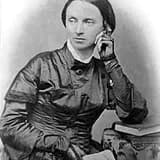
By January 1, 1848, Swisshelm was publishing antislavery journalism in Pittsburgh, including in the Spirit of Liberty.
On January 1, 1848, alongside the founding of her own paper, Jane Swisshelm intensified her antislavery journalism in Pittsburgh, publishing a stream of articles and creative pieces that broadened public engagement with abolition.[3][7]
During the 1840s she had already been contributing stories, poems, and essays to local antislavery papers such as the Spirit of Liberty and other reform-friendly journals.[5][19] By 1848, with the Pittsburgh Saturday Visiter in operation, she used both her own and allied newspapers to attack slavery, criticize capital punishment, and argue for women’s civil and economic rights.[3][7][19]
This date matters because it marks the consolidation of her work into a sustained abolitionist press campaign. Her writings reached beyond elite reform circles, speaking to artisans and small-town readers in accessible language. She framed slavery as a moral abomination and a violation of Christian principles, challenging proslavery clergy as sharply as she did politicians.
In the context of the 1840s, when abolitionist editors faced mob violence and economic boycotts, Swisshelm’s decision to keep publishing antislavery journalism from Pittsburgh required considerable courage. Her output in and around 1848 helped normalize the idea of a woman publicly condemning slavery and demanding structural change, contributing to the broader antislavery print culture that would shape northern opinion in the years leading to the Civil War.