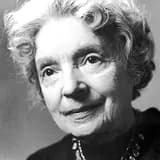
Approximate 1958 poetry prize from the Swedish Poets Association/Swedish Radio for Sachs’s verse and translations.
In 1958, Nelly Sachs received a poetry prize from the Swedish Poets Association/Swedish Radio, recognizing both her original German‑language verse and her influential translations of modern Swedish poetry into German. The exact day is undocumented, so the date here (1 January) is approximate and used as a placeholder for year-only data.[2][15][16]
This award marked a turning point in her exile in Stockholm. Since fleeing Nazi Germany in 1940, Sachs had lived in modest circumstances, supporting herself by translation and small literary fees.[2][6][18] The Swedish prize signaled that her work—shaped by Jewish fate, mysticism, and the memory of persecution—had gained esteem in her new cultural home.
Historically, the recognition underscored the transnational nature of postwar literary networks. Sachs’ translations helped introduce Swedish modernists such as Gunnar Ekelöf and Johannes Edfelt to German audiences, while Swedish institutions validated a refugee woman writing in a foreign tongue.[2][6] This support from Sweden prefigured the international honors that followed and demonstrates how host countries could nurture exiled women intellectuals.
For women’s and Jewish history, the prize illustrates the gradual institutional acknowledgment of a female, Jewish refugee poet in the 1950s—decades when male voices still dominated literary canons. Though not a "first" in the formal sense, it helped consolidate Sachs’ position as a bridge between German and Scandinavian literatures and as an emerging voice of Holocaust remembrance.