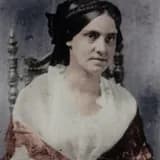
Publishes her memoir, "A Southern Woman’s Story: Life in Confederate Richmond," a landmark Civil War and women’s-history narrative rooted in her Chimborazo service.
On January 1, 1879, reflecting a year marker rather than a documented specific day, Phoebe Yates Levy Pember saw the publication of her memoir, A Southern Woman’s Story: Life in Confederate Richmond, a work now recognized as one of the most vivid and realistic narratives of the Civil War.[1][3][4][6][13] The book drew on her experiences from December 1862 through the end of the war as chief matron at Chimborazo Hospital.
In the memoir, Pember offers detailed anecdotes about hospital life: the suffering of wounded soldiers, the improvisation required amid shortages, conflicts over whiskey rations, and the emotional toll of mass death.[1][3][6][13] She writes with a distinctive mix of irony, compassion, and practicality, making her account both literary and historically rich. Civil War historian Douglas Southall Freeman later praised it as "the most realistic treatment of the war" ever published, underscoring its significance in the historiography of the conflict.[6][13]
The publication is historically important on several fronts. As a Jewish Southern woman, Pember foregrounded perspectives rarely captured in postwar Confederate reminiscences, exploring themes of gender, religion, class, and loyalty.[3][6] Her narrative broadened understanding of women’s roles beyond the battlefield, showing how female administrators shaped medical care, morale, and institutional culture. The memoir has since become a key primary source for scholars studying Civil War hospitals, Confederate society, and women’s history, and remains widely accessible through modern editions and digital archives.[1][3][4][13] By turning her wartime experiences into published testimony, Pember ensured that the daily, often invisible labor of women in military medicine would be preserved in the historical record.