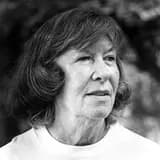
1972: Van Duyn receives a Guggenheim Fellowship in poetry, supporting her ongoing work and confirming her status among the foremost poets of her generation.
In 1972, Mona Van Duyn was awarded a Guggenheim Fellowship in poetry, one of the most competitive and prestigious grants for writers.[5][9] Guggenheim Fellowships support artists and scholars in pursuing significant new work, and the award acknowledged both her past achievements and future promise.
Coming on the heels of the Bollingen Prize (1970) and National Book Award (1971), the fellowship enabled Van Duyn to devote sustained time to writing, contributing to collections such as Merciful Disguises (1973) and Bedtime Stories (1972).[2][4] For a woman poet who had spent years balancing teaching, editing, and domestic responsibilities, the grant’s financial and symbolic support helped mitigate structural barriers that often limited women’s creative productivity.
The Guggenheim also signaled her inclusion within a select community of artists recognized for innovation and excellence. It reinforced academic interest in her work and led to invitations for readings and residencies.[3][5] Historically, her fellowship forms part of the broader mid‑century expansion of opportunities for women writers, showing how institutional grants could help redistribute resources and time in ways that made ambitious, formally demanding poetry more possible.