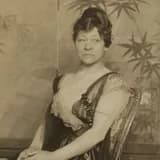
Force and Frick Collection director Frederick Clapp organized opposition to a U.S. touring exhibition of German art taken as war booty.
In 1946, in the aftermath of World War II, the United States government mounted a controversial touring exhibition featuring German art that had been confiscated as war booty. Juliana R. Force, alongside Frederick M. Clapp, director of the Frick Collection, organized and spearheaded a public campaign opposing this exhibition and advocating for the artworks' return to Germany.
This action was notable for its ethical stance during a politically charged postwar period, when anti-German sentiment remained strong and the treatment of seized cultural property was a contentious issue among museum professionals, diplomats, and the public. Force's willingness to publicly challenge government policy demonstrated her commitment to principles of cultural stewardship over nationalist retribution, even at professional risk.
Her advocacy reflected a broader debate in the museum world about the ethics of wartime art appropriation—a debate that continues to resonate in modern discussions of restitution and repatriation of cultural property. As one of the most respected figures in American museum administration, Force's involvement lent significant weight and visibility to the campaign, helping to shape early postwar norms around the treatment of cultural patrimony seized during conflict.