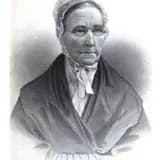
Catharine and Levi Coffin moved to Newport (now Fountain City), Indiana, opening a store and turning their home into a major Underground Railroad station.
By 1826, Catharine and Levi Coffin had relocated from North Carolina to the small town of Newport (present-day Fountain City), in Wayne County, Indiana. Like many Quaker families uncomfortable with the pervasive presence of slavery in the South, they sought a new life in a free state where they could build a livelihood while pursuing their abolitionist convictions more openly.
In Newport, the couple opened a general store that Levi operated, which provided the family with financial stability and a respectable public presence in the community. Behind this façade of ordinary commerce, however, the Coffin household quickly became one of the most active stations on the Underground Railroad in the Midwest. Newport's location, situated along multiple converging routes used by freedom seekers fleeing north from Kentucky and other slave states, made it a strategic crossroads for the clandestine network.
Catharine took primary responsibility for the domestic operations of their Underground Railroad work: cooking meals, providing clean clothing, nursing the sick and injured, and comforting frightened and exhausted freedom seekers who arrived at all hours, often in the dead of night. Historians estimate the Coffins assisted approximately 2,000 freedom seekers during their roughly two decades in Indiana, a scale of activity that led to their home becoming popularly known as the "Grand Central Station" of the Underground Railroad. This work carried enormous legal and personal risk under fugitive slave laws of the period, yet the Coffins persisted, guided by their Quaker faith.