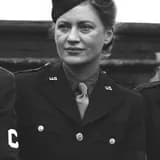
In 1976, Lee Miller is diagnosed with cancer, entering the final phase of a life marked by artistic innovation, war trauma, and later domestic creativity.
In 1976, recorded here as 1 January 1976 for year‑level precision, Lee Miller was diagnosed with cancer, a turning point that framed the final phase of her life at Farley Farm House in East Sussex. By this time she had largely withdrawn from public artistic practice, focusing on cooking, domestic life, and hosting friends from the art world.
The diagnosis came after years in which Miller had struggled with depression and alcoholism, conditions now understood in part as responses to the trauma she had witnessed during World War II and to earlier experiences of abuse. Faced with terminal illness, she continued to maintain the household and relationships that would prove crucial for the later preservation of her archive. Her son, Antony Penrose, and others around her began to recognize the historical importance of the thousands of prints and negatives stored at Farley.
Historically, the 1976 cancer diagnosis is significant not only as a biographical marker but also as a catalyst for the process of archival discovery and remembrance that followed her death. It underscores the human cost of war correspondence and the long‑term health effects—both physical and psychological—that can shape journalists’ later lives. In women’s history, acknowledging this period helps balance celebratory accounts of Miller’s bravery with attention to the vulnerabilities that accompanied her groundbreaking career.