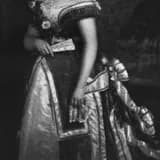
Publication year of Martha Coston’s autobiography “A Signal Success,” documenting her invention and commercialization of maritime flares.
In 1886 (here recorded with a placeholder date of January 1, 1886 due to the absence of a precise publication day), Martha Coston published her autobiography, A Signal Success.[1][10][12] The book chronicles her journey from young wife to widowed mother and determined inventor, detailing the years she spent transforming her late husband’s incomplete concept into a working system of maritime signal flares.[10][12] It offers rare first‑person insight into the technical, legal, and social hurdles she faced as a nineteenth‑century woman seeking patents and government contracts.
A Signal Success situates her work within the broader context of the American Civil War and the growth of global maritime trade.[1][10] Coston describes negotiating with the U.S. Navy, establishing the Coston Manufacturing Company, and striving to secure fair compensation for her inventions despite systemic gender discrimination and bureaucratic resistance.[10][12] The narrative also reveals how she navigated grief and single parenthood while coordinating chemists, pyrotechnicians, and factory workers.
Historically, the 1886 publication is significant because it preserves a woman engineer’s voice in a period when technical histories were usually written by men.[10][12] The book has later been used by historians of technology and women’s history to document both the development of pyrotechnic signaling and the lived experience of a woman innovator negotiating patriarchal institutions.[1][10] As such, the year 1886 marks Martha Coston’s emergence not only as an inventor and entrepreneur, but also as an author who framed her own legacy and contributed to the documentary record of women in science and industry.