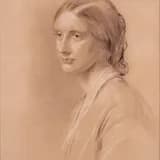
Josephine Grey married Anglican clergyman and academic George Butler, forming a partnership that would support her later reform work.
In 1852, Josephine Grey married George Butler, an Anglican clergyman and academic who would go on to become vice-principal of Cheltenham College and later head of Liverpool College. Unlike many marriages of the era, theirs was notable for its intellectual partnership and mutual respect; George Butler was unusually supportive of his wife's independent thinking and public activism, a rarity in an age when women's public roles were sharply constrained.
The couple went on to have four children together. Their marriage provided Josephine with both the social standing and the domestic stability from which she would eventually launch her public campaigns. George's own progressive views on women's education and his willingness to support her controversial later work distinguished him from the typical Victorian husband, and his career moves — first to Oxford, then Cheltenham, and eventually Liverpool — directly shaped the geographic and social context in which Josephine's activism developed.
The tragic death of their young daughter Eva in 1863, after a fall down a staircase, was a devastating personal loss that Josephine later cited as a turning point, deepening her empathy for suffering women and driving her toward direct engagement with the plight of impoverished and 'fallen' women in Liverpool's workhouses and streets. The exact day of the marriage is not precisely documented in accessible sources, though the year 1852 is well established.