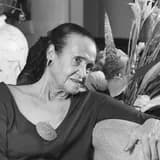
McBurnie received Trinidad and Tobago’s highest honor, the Trinity Cross, for her lifelong cultural leadership.
1 January 1989 marks the year McBurnie received Trinidad and Tobago’s Trinity Cross, the country’s highest honor at the time. The award recognized a lifetime of achievement in dance, cultural preservation, and the creation of spaces for Caribbean artistic expression.
This honor was historically significant because it placed McBurnie among the nation’s most esteemed public figures. It also represented a strong statement about the centrality of culture in the making of Trinidad and Tobago’s identity. McBurnie had spent decades defending the value of folk traditions against colonial prejudice and social skepticism, and the Trinity Cross affirmed that her work had become part of the country’s highest civic narrative.
For a woman artist to receive such a distinction was especially meaningful in the context of a twentieth century that often diminished women’s leadership in the arts. McBurnie’s receipt of the Trinity Cross acknowledged her as a nation-builder as much as an entertainer or choreographer. The award stands as a final symbolic recognition of the institutions, performances, and ideas she helped establish across the Caribbean.