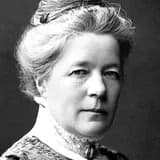
In 1928, the University of Greifswald awarded Selma Lagerlöf an honorary doctorate, recognizing her international literary stature.
In 1928, the University of Greifswald in Germany conferred an honorary doctorate (Ehrendoktorwürde) on Selma Lagerlöf. This distinction from a foreign university testified to her international reputation as a major modern novelist. Although the exact day of the degree ceremony is not readily documented in accessible sources, the year 1928 marks an important extension of her recognition beyond Scandinavia.
Greifswald’s honorary degree acknowledged the significance of Lagerlöf’s works for European literature, including novels such as Gösta Berlings saga, Jerusalem, and The Emperor of Portugalia. In the interwar period, universities were gradually opening to new forms of literary expression and to the idea that creative authors could be honored alongside scholars. For a woman, and one without a traditional academic career, to receive such a distinction from a German university was notable.
This honor contributed to strengthening cultural ties between Sweden and Germany and facilitated the continued translation and study of Lagerlöf’s works. It also demonstrated that her narratives, rooted in Swedish settings and folklore, resonated with international readers and critics. For women’s history, the 1928 honorary doctorate represents a further example of how literary achievement could allow a woman to be recognized in elite academic circles, challenging conventional boundaries between scholarship and creative writing and expanding the visibility of women in European intellectual life.