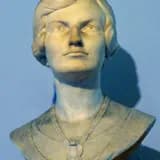
In 1920, upon Boulenger's retirement, Procter took over his position at the Natural History Museum, an unprecedented step for a woman in British science.
When George Albert Boulenger retired from the Natural History Museum in 1920, Joan Procter was appointed to take over his responsibilities, effectively assuming the role of the museum's leading expert on reptiles and amphibians. This was a remarkable achievement: Procter had no university degree and had only three years earlier begun as an unpaid volunteer, yet her scientific rigor and depth of knowledge had earned her the confidence of the scientific establishment.
Her appointment represented a genuine first for women in British zoological research institutions of this stature. At a time when women were largely excluded from professional scientific posts—even highly qualified female scientists frequently faced discrimination or were relegated to subordinate assistant roles—Procter's promotion to a position of scientific authority was a significant barrier broken. She began publishing academic papers under her own name, describing new species and contributing meaningfully to herpetological taxonomy.
This transition cemented her reputation within the scientific community and provided a foundation of credibility that would soon lead to an even more visible and influential role at the Zoological Society of London. Her success at the Natural History Museum demonstrated that self-taught expertise, rigorously applied, could overcome the era's rigid institutional and gender hierarchies, paving the way for greater acceptance of women in scientific curatorial roles in subsequent decades.