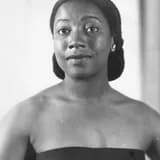
By 1947, Streat was among only four African American artists with solo art exhibitions in New York City.
By 1947, Thelma Johnson Streat had joined a very small cohort of African American artists who achieved solo exhibitions in New York City, then the emerging center of the modern art world.[5] Contemporary accounts note that only four Black artists—Streat, Romare Bearden, Norman Lewis, and Rose Piper—were known to have solo showings of their work in the city at that time.[5][16]
These solo exhibitions placed Streat within crucial networks of galleries, critics, and collectors, underscoring her status as an important figure among early African American abstract and modernist painters.[5][15] New York shows were particularly significant for a West Coast–based artist whose career had begun in Portland and San Francisco; they expanded her audience nationally and aligned her with broader debates about abstraction, representation, and race in American art.[4][7][15]
Sources emphasize that by 1947 she was recognized specifically as one of only four African American abstract painters with solo shows in New York, a detail that situates her practice in relation to artists such as Norman Lewis, who were navigating both the aesthetics of abstraction and the politics of racial visibility.[5][16] Streat’s exhibitions often accompanied or were complemented by her performances, in which she danced in front of her paintings to foster intercultural understanding.[1][10][13]
While the exact month and day of these exhibitions are not currently documented, the 1947 milestone reflects how Streat helped create space for Black modernists in elite art venues. Her presence in New York’s gallery scene challenged segregation in the arts and contributed to the slow diversification of who could be seen—and celebrated—as a modern painter.[5][15][16]