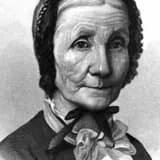
Publication year of Haviland’s autobiography, a key firsthand account of abolition and reform work.
In 1881, Laura Smith Haviland published her autobiography, A Woman’s Life-Work: Labors and Experiences of Laura S. Haviland. The exact month and day of publication are not stated in the accessible catalog record, so only the year can be verified. The book is a major source for understanding both Haviland’s own self-presentation and the networks of reform in which she moved. As a narrative of abolition, education, and aid to freedpeople, it also preserves the testimony of a woman who lived through some of the most turbulent moral and political conflicts of the nineteenth century.
The publication was historically significant because autobiographies by women reformers served as important forms of public witness. Haviland’s account helped document the realities of slavery, the Underground Railroad, and postwar relief work from the perspective of a woman who had acted on the front lines of reform. In an era when women’s voices were often discounted in print culture, publishing a substantial life narrative was itself an assertion of authority. It also gave later historians a firsthand source for the operations of antislavery activism in the Midwest and South.
The book’s legacy extends beyond Haviland’s own life. It has remained useful to scholars, local historians, and educators seeking to understand how women shaped reform movements through persistence, risk-taking, and organizational labor. Her autobiography stands as a record of both personal conviction and public history.