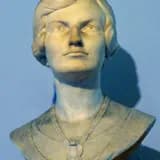
In 1917, Procter began working as a voluntary research assistant to herpetologist George Albert Boulenger at the Natural History Museum, London.
In 1917, at the age of just nineteen, Joan Procter came to the attention of George Albert Boulenger, the eminent Belgian-British herpetologist then serving as Keeper of Zoology at the Natural History Museum in London. Recognizing her exceptional knowledge of reptiles—largely self-taught through years of keeping and observing lizards, snakes, and even a pet crocodile—Boulenger invited her to become his voluntary research assistant.
This appointment was extraordinary for the period. Women were rarely given any research role in major scientific institutions, and unpaid volunteer positions of this kind were typically reserved for men with formal university training. Procter, however, had neither a university degree nor institutional backing; her expertise came purely from independent study and hands-on experience with live animals, a highly unconventional pathway into professional science.
Working alongside Boulenger, she contributed to taxonomic research and descriptions of reptile and amphibian specimens, quickly proving herself an indispensable collaborator. This mentorship proved pivotal, providing her with the institutional credibility and scientific training that would enable her subsequent rise to formally succeed Boulenger. It set the stage for her eventual transformation of the field of herpetology, both in academic research and public-facing museum and zoo work.