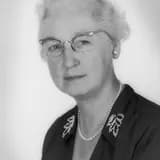
In 1952, Virginia Apgar developed the Apgar Score, an evaluation method for newborns.
Virginia Apgar developed the Apgar Score in 1952, transforming the way newborns' health is assessed immediately after birth. The score evaluates five criteria: heart rate, respiratory effort, muscle tone, response to stimulation, and skin coloration. Each are rated on a scale from 0 to 2, with the resulting total score directing medical staff on immediate care needs. This was the first standardized method for such assessments and became globally adopted, dramatically lowering infant mortality rates. Apgar navigated numerous challenges as a woman innovating within a field largely dominated by men, and her work helped validate and prioritize the importance of neonatal care in medicine.