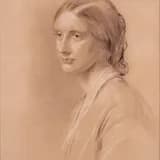
Butler relocated to Liverpool when her husband became headmaster of Liverpool College, intensifying her direct work with poor and marginalized women.
In 1866, Josephine Butler's life took a decisive turn when her husband George became headmaster of Liverpool College, prompting the family's move to the industrial port city. Liverpool at the time was a place of stark class divisions, poverty, and a visible population of destitute women, many driven to prostitution by economic desperation.
Still grieving the death of her daughter Eva three years earlier, Butler sought purpose through direct engagement with suffering women. She began visiting Liverpool's workhouses, including the Brownlow Hill workhouse, and opened her own home to house and rehabilitate women who had been imprisoned, abandoned, or forced into prostitution. She organized a house of refuge and worked directly alongside women whom Victorian society regarded as irredeemably 'fallen,' challenging the moralistic judgment of her era with practical compassion.
This period was crucial in radicalizing Butler's politics: witnessing firsthand the double standards applied to women — punished and stigmatized for sexual activity while male clients faced no consequence — laid the ideological groundwork for her subsequent decades-long campaign against the Contagious Diseases Acts. Her Liverpool work marked her transformation from a sympathetic clergyman's wife into a determined, systemic social reformer, establishing methods of direct outreach and institutional critique that she would later deploy on a national and international stage.